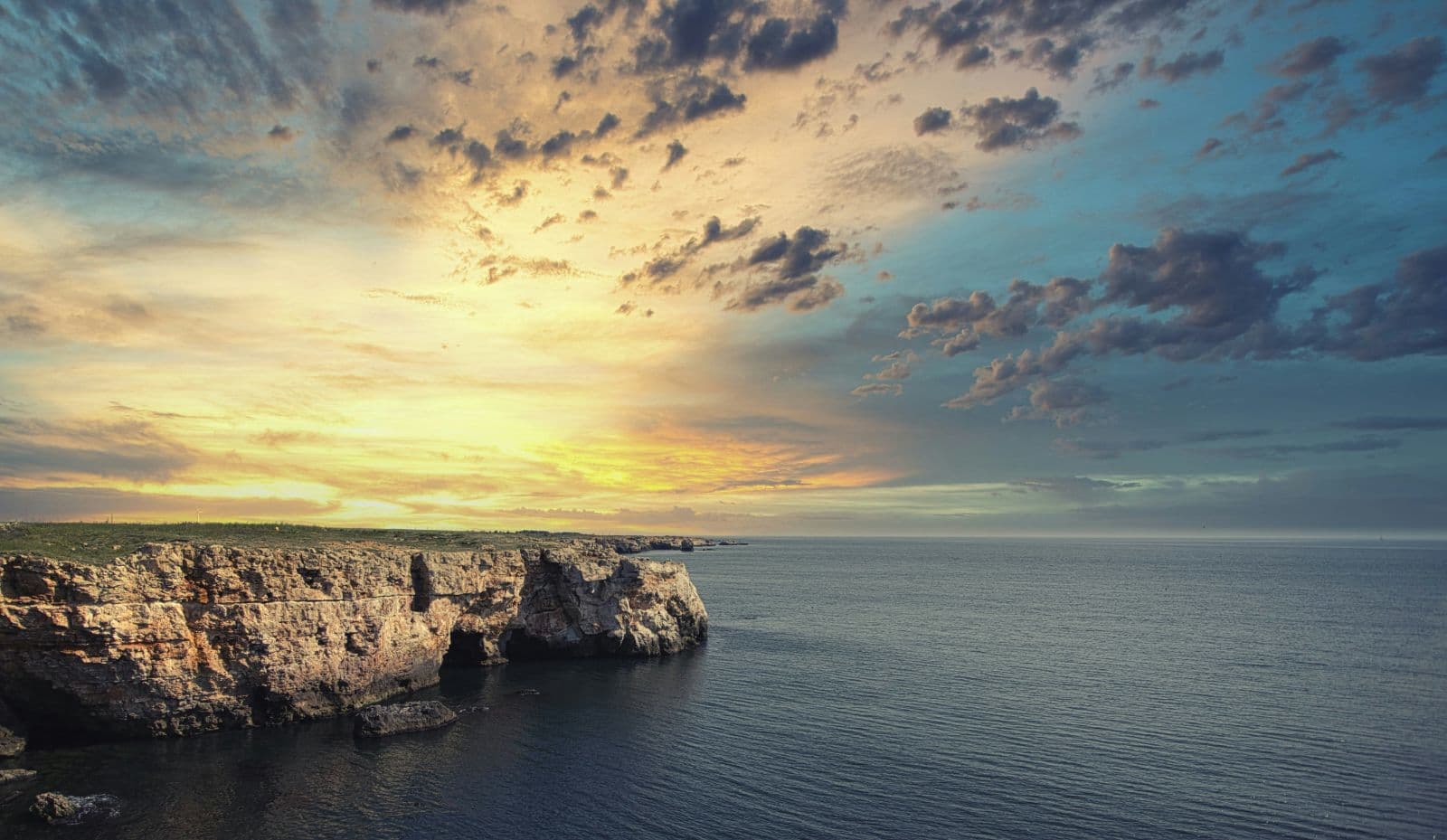
Things to Do in Burgas: Sea Garden, Lakes and Day Trips
Things to do in Burgas: the Sea Garden, pink salt lake mud, St Anastasia Island, Burgas with kids and in winter, day trips and where to stay.
The best things to do in Burgas are simple and close together: walk the Sea Garden to the pier, coat yourself in black mud by the pink salt lake, watch pelicans and spoonbills at Poda, take the summer boat to St Anastasia Island, eat fried sprats by the sea, and use the city as a base for day trips to Sozopol, Pomorie and Nessebar. Burgas is Bulgaria's fourth largest city, a working port that stays alive outside the beach season rather than a resort strip. From Sofia Airport, a private transfer from Sofia Airport to Burgas starts at €296 per car (up to 4 passengers) and takes about three and a half hours.
In this guide14 sections
Prices are in euro: Bulgaria adopted the euro on 1 January 2026, and lev cash has not been accepted since 1 February 2026. Our transfer and experience prices were read from our booking system in mid October 2026 and can change. Opening hours and prices for places we do not run were checked on official sites in October 2026; confirm before you go. One honest warning up front: some of what follows, like the island boat, only runs in summer. We cover winter separately below.
Burgas at a glance
Burgas sits at the head of the large bay on the southern half of Bulgaria's Black Sea coast and has about 210,000 residents. It is ringed by lakes, which gives it something few beach cities have: a pink salt lake, reed marshes full of birds and healing mud, all a short ride from the centre. The centre itself is compact and walkable, and Bogoridi Boulevard leads straight to the Sea Garden gate.
Many package holidays sold as "Burgas" actually mean Sunny Beach, the big resort about 35 km north that goes quiet out of season. This guide is about Burgas itself and what you can do from it. Weighing Burgas against Varna as a base? Our Bulgarian Black Sea coast guide compares the two.
The Sea Garden, the beach and the pier
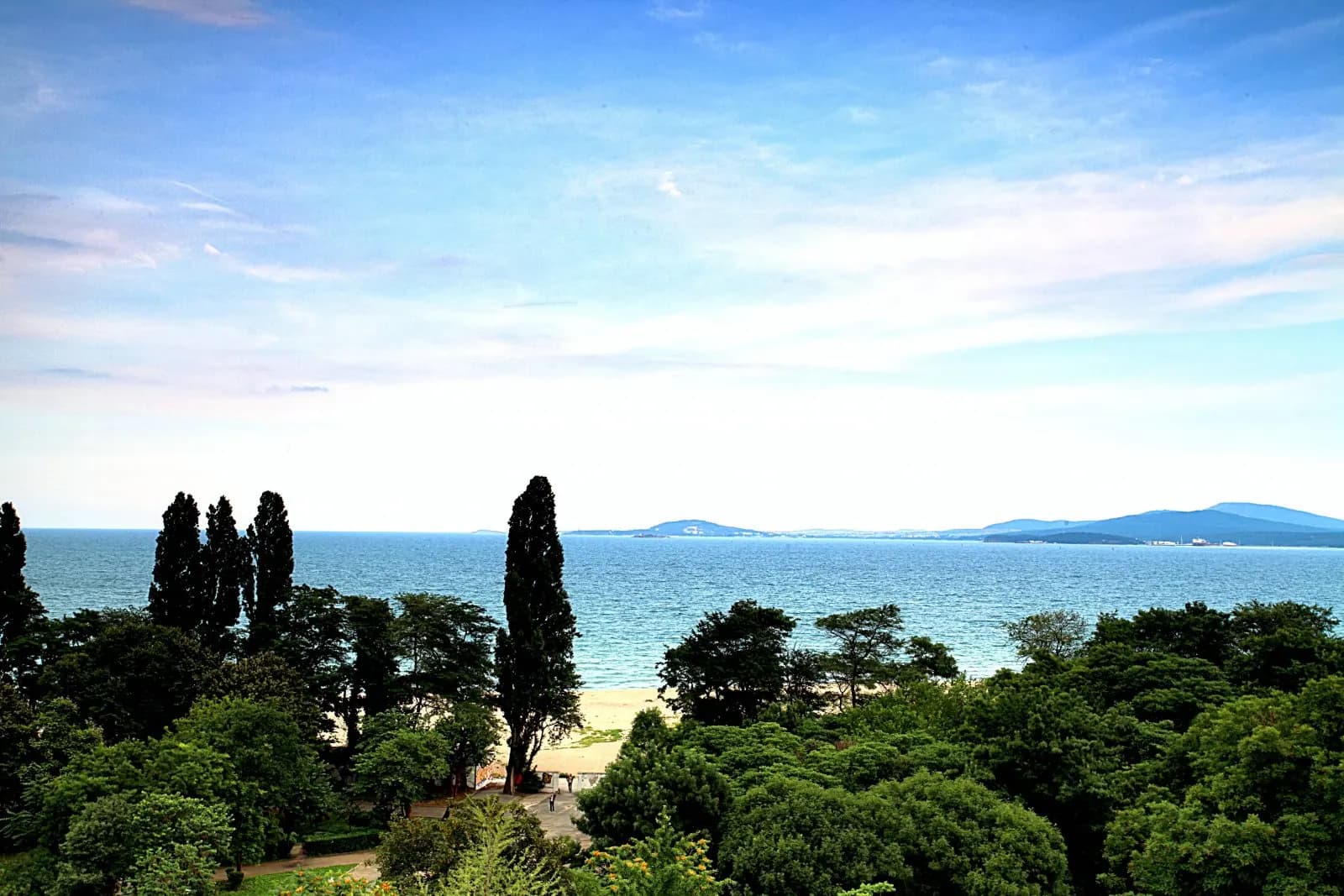
The Sea Garden is the first reason to come: around 80 hectares of seafront park, laid out from 1910, with plants from every continent, sculptures, a summer theatre and paths that end at the water. You can walk for an hour without repeating a path. The Flora flower show takes place here in spring, and the sand sculpture festival in summer.
Below the park runs the city beach, a wide stretch of sand that is busy and swimmable in summer. From its middle the pier, which locals simply call "the bridge", runs roughly 300 metres out to sea: the city's sunset spot and a favourite with anglers. Near the park entrance stands the Sea Casino of 1938, restored and now used as a cultural centre for exhibitions and events.
The Burgas lakes: Poda, the pink lake and the mud
Four lakes surround Burgas, and two of them are worth your time even if you are not a nature person.
Poda Protected Area
On the south eastern edge of the city, on the Sozopol road, the Bulgarian Society for the Protection of Birds runs a nature centre where about 321 bird species have been recorded on roughly one square kilometre: herons, spoonbills, glossy ibises, cormorants, pelicans and white tailed eagles. There is an observation terrace, a short nature trail, hides, and binoculars and scopes to use. Entry is €4 for adults, and children under 6 with an adult go free. From April to September it opens daily 09:00 to 17:00; from October to March only Wednesday to Sunday, 09:30 to 16:00. By bus, take line 17 from Yug bus station and get off at the Poda stop on the way back.
Lake Atanasovsko: the pink lake and the black mud
North of the city, near the airport road, Lake Atanasovsko has been producing salt since the early 20th century. Some of the evaporation pools turn pink thanks to a microalga that thrives in the brine, and next to the salt works there is a basic spot where locals smear themselves in black mud, float in the salty water and rinse off in the sea a few hundred metres away. There is a small entry fee, so check on the spot, and do not expect a spa: old buildings, little shade, no frills. Navigate to the Burgas Salt Pans rather than the lake name, or you will end up on a bank with no access. Only a small part of the lake is pink, and the colour is strongest on hot summer days.
St Anastasia Island
This small island in the bay, about 6.5 km from Burgas, is the only inhabited island on the Bulgarian coast, and you can even stay the night. It has old monastery buildings and a small museum, and hosts concerts in summer. Boats leave from the Magazia 1 quay in Burgas port, next to the sea station, several times a day in season. The crossing takes about half an hour, and you get roughly two hours on the island before the return boat. The city's visitor site lists a return ticket at €9.50 for adults and €4 for children aged 3 to 7. The 2027 timetable and fares are not out yet, and outside summer sailings are irregular, so check at the port ticket office before you plan around it.
Museums and culture in Burgas
The Regional Historical Museum runs four museums in the centre: Archaeology at 21 Aleko Bogoridi Blvd, Ethnography at 69 Slavyanska St, History, and Natural History. All open Monday to Saturday 09:00 to 17:00 and close on Sundays. Tickets cost €3 for adults, €1.50 for students and pensioners, free for children under 7; a family ticket is €5, and a family ticket for all four museums is €10. If you only have time for one, choose the Ethnographic Museum: a 19th century house full of costumes and customs of the Burgas region.
Outside the centre lies Aquae Calidae, the ancient hot baths of Burgas: Roman era remains, a reconstruction of the bath built by Suleiman the Magnificent in the 16th century, and a 3D film. The hours and prices we found were out of date, so check with the Burgas museums before you go.
What to eat in Burgas
Burgas is a fish town. The classic plate is tsatsa, tiny fried sprats eaten whole with chips and a cold beer, alongside fried horse mackerel and, in season, Black Sea mussels. Fish restaurants along the seafront and simple beer halls serve all of it. Non fish eaters will not go hungry either: shopska salad, grilled vegetables and Balkan grills are everywhere. In summer the good places fill early, so eat before the local rush or book.
Burgas with kids
Burgas works better for families than its reputation suggests, because everything is close and you do not spend an hour in the car each day. Ideas that work:
- Sea Garden and beach: playgrounds, ice cream, shady paths and, in summer, a sandy beach right next to it. Easy half day with no planning.
- Poda: kids love the binoculars and hides, the trail is short and easy, and under 6s go free.
- Mud by the salt pans: great fun for older children. The water is very salty and stings the eyes, so keep little ones close.
- The island boat: a short sail with a child fare, summer only.
- Natural History Museum: a good rainy day option, free for under 7s.
Water parks and all inclusive hotels with slides are mostly around Sunny Beach and Nessebar, not in Burgas itself. We cover them in our guide to all inclusive holidays in Bulgaria.
 Book it with us · AttractionSunset sailing against the backdrop of Nesebar and the Black SeaFrom€78€78$88£66Book
Day trips from Burgas: Sozopol, Pomorie, Sveti Vlas and Nessebar
All of these are under an hour from Burgas. Here is the short version to help you choose; the coast guide linked above has the wider picture.
Sozopol
About 35 km south. Sozopol was founded in 620 BC as the Greek colony of Apollonia, and its old town on the Skamni peninsula is a protected reserve of more than 180 houses from the 18th and 19th centuries, stone below and timber above. It is the best day trip from Burgas: narrow lanes, wooden houses and a fishing harbour. The Apollonia arts festival takes place in early September. Buses leave from Yug bus station in Burgas; check times before you set off.
Pomorie
About 20 km north, on a narrow peninsula. Next to the town lies Lake Pomorie, where salt is made in the northern part and the black therapeutic mud is taken from the lake bed. The open air Salt Museum, beside salt pans that still work, shows how salt is produced to this day; hours differ between summer and winter. The town is also home to St George's Monastery, one of the most revered in eastern Bulgaria.
Sveti Vlas
About 41 km north and 12 km from Nessebar, at the foot of the Balkan Mountains. It has Bulgaria's largest yacht marina, with room for about 300 yachts, and a golden, south facing beach. Building is dense and modern, and most places to stay are new apartment complexes and hotels around the marina. We do not have a hotel in Sveti Vlas at the moment.
Nessebar and a sunset cruise
Nessebar's old town, a UNESCO World Heritage Site, is a half day in its own right. A private transfer from Burgas to Nessebar starts at €39 per car and takes about 40 minutes. Stay for the evening and finish with a sunset cruise from Nessebar: about an hour at sea with views of the old town, Sunny Beach, Pomorie and Ravda, and fishing rods on board. The booking box shows from €78 per guest, children at the same price. You pay 20% online and the rest in cash to the host at the end of the cruise. Sailings depend on the weather and the season, so check available dates in the booking box.
Primorsko and Ravda
Primorsko, about 50 km south, is known for long beaches and dunes. Ravda, about 30 km north and 4 km from Nessebar, is a small resort that lives mainly in summer.
Burgas in winter
To be straight about it: in winter Burgas is a normal, quiet city. There is no swimming, the island boat is irregular and most of the resorts around it are shut. What is open and worth it: the Sea Garden and the pier, lovely on clear days; the museums, Monday to Saturday; Poda, Wednesday to Sunday; and year round hotels with a spa and indoor pool. Winters on the coast are fairly mild and snow is rare, but the sea wind is cold, so pack a proper coat.
If you are in Bulgaria in early December, aim for Burgas on 6 December. It is Nikulden, the city's day, honouring St Nicholas, patron of fishermen: in 2025 there was a blessing of the festive table in the park by the clock, concerts around town and free fish soup. The 2026 programme is not out yet, but the tradition is fixed.
Eurovision 2027 in Burgas
Burgas will host the 71st Eurovision Song Contest: semi finals on 11 and 13 May 2027 and the final on 15 May, at Arena Burgas, which opened in 2023. The city will be packed that week, and rooms will go long before ticket details are certain. Everything known about tickets, travel and accommodation is in our Eurovision 2027 Burgas guide.
Getting to Burgas
Burgas Airport is about 10 km from the centre. Bus 15 runs to the centre and Yug bus station in about 25 to 30 minutes; a ticket costs about €0.80 paid by bank card on board, and less through the city transport app. The airport is largely seasonal, with most routes flying in summer, while London has kept a year round link; outside summer many visitors fly into Sofia instead.
Sofia is about 380 km away. Besides the airport transfer mentioned above, a private transfer from central Sofia starts at €299 per car. From Plovdiv there is a private transfer from Plovdiv to Burgas, from €194 per car and about two and a half hours on the road. All prices are for a private car with up to 4 passengers and they change, so the price at booking is the one that counts.
Getting around Burgas
The centre, the Sea Garden and the beach are all walkable. Cheap city buses cover Poda, the airport and the intercity bus stations. For several day trips a car pays off: car rental with pick up in Burgas is available, and our honest guide to renting a car in Bulgaria is worth reading before you sign. For malls and high street brands, see our shopping in Bulgaria guide.
Where to stay in Burgas
The simple rule: stay near the Sea Garden if you want to do everything on foot, and in Sarafovo, by the airport, if you are travelling with kids or catching an early flight. Four hotels we know:
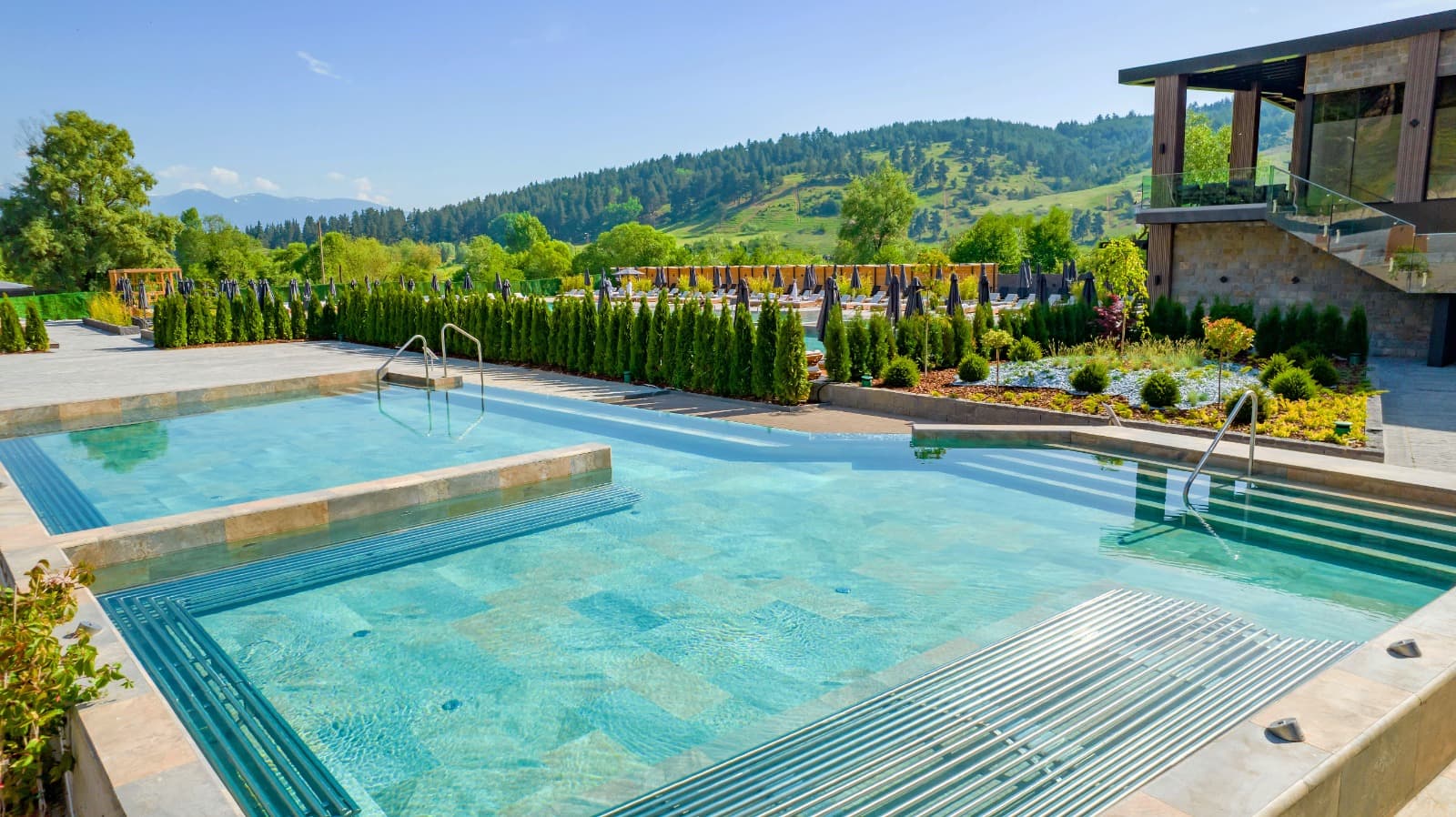
- Grand Hotel & SPA Primoretz: Burgas's classic five star hotel, open since 1959, inside the Sea Garden by the beach. Breakfast and the 3,000 m² spa are included, plus an outdoor pool and beach area from June to September. A good winter choice too.
- Hotel Residence Promenade: an Art Nouveau boutique hotel with 12 rooms, about 50 metres from the sea at the end of the Sea Garden. Since mid September its restaurant serves breakfast only during renovation.
- Villa Promenade: a restored villa from around 1900 with five adults only rooms near the sea; it sleeps up to ten, so it also suits a small group of friends.
- Natura All Seasons Boutique Hotel: four stars on the seafront in Sarafovo, opened in 2024, about seven minutes from the airport. Outdoor pool with a children's area, a playroom with an animator for ages 3 to 10, an indoor pool, and open all year.
Rates at these hotels depend on dates and are given on request; see them side by side under hotels in Burgas. Looking for all inclusive by the beach? That is usually outside Burgas itself, and the all inclusive guide above explains the options.
The bottom line
Burgas is not a two day sun lounger destination, but it is an excellent base: a real city with a seafront park, lakes, museums and good fish, and the whole southern coast within an hour. In summer it has everything; in winter it is quiet and best for spa days, long walks and Nikulden. Plan at least two days in the city and another day or two for Sozopol and Nessebar, and book your transfer and hotel ahead.
Share this guide