Sofia, Bulgaria: The Complete Guide to Traveling in the Balkan Capital 2026
The complete guide to Sofia, Bulgaria: what to do, where to eat, where to stay, day trips from Sofia, and when to visit. Real tips from people who live there.
Sofia is one of Europe's most underrated capitals, and that's exactly why travelers are discovering it. It's not Paris, it's not Prague, and yet you'll find a 1,500-year-old Byzantine church next to a luxury mall, Roman excavations beneath a subway station, and a Jewish history that's one of the most extraordinary stories of World War II. Those who know what to look for leave Sofia with memories you don't get in Western Europe. This guide covers everything.
In this guide12 sections
Important note: As of January 1, 2026, Bulgaria officially adopted the euro. All prices in Sofia are now in euros, and some businesses still display leva (лв) alongside euros during the transition period. Credit cards work almost everywhere.
Table of Contents
- Why Sofia
- 10 Sights You Can't Miss
- Guided Tours in Sofia
- Food in Sofia: What to Eat and Where
- Where to Stay: Neighborhood Guide
- Day Trips from Sofia
- Getting There and Around
- When to Go
- 3-Day Sofia Itinerary
- FAQ
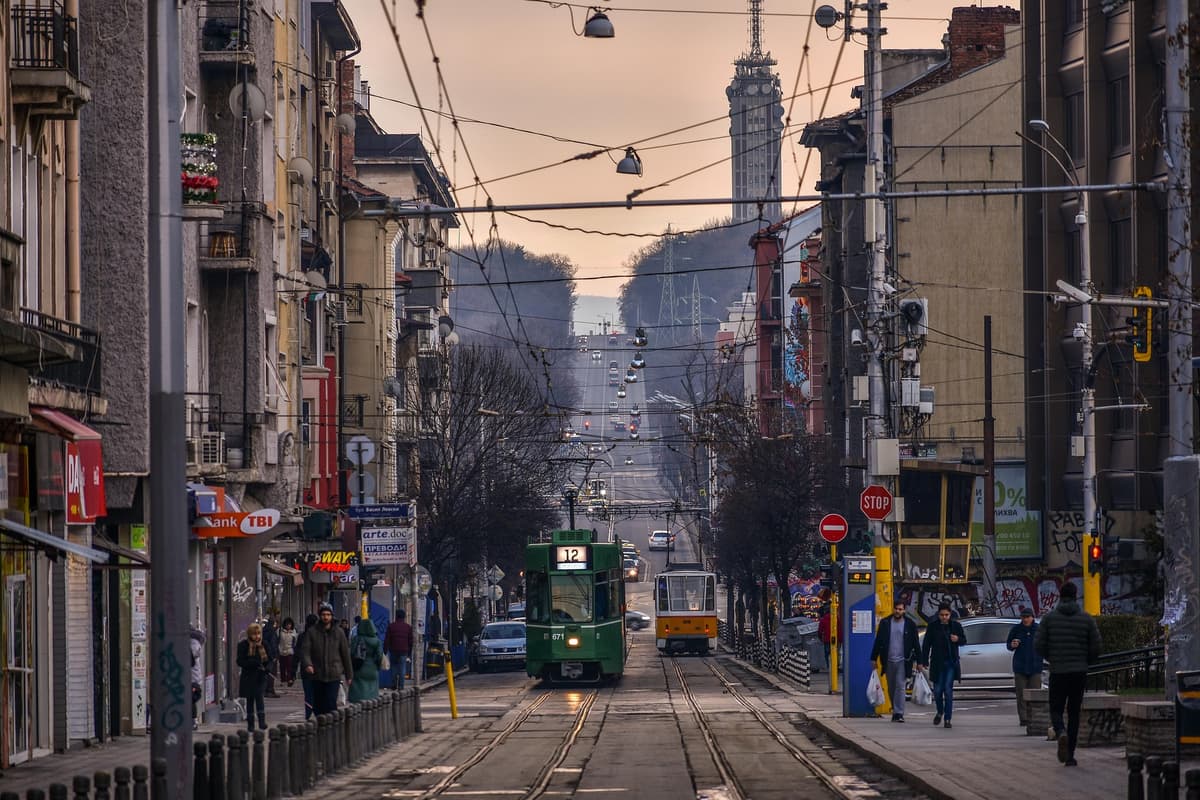
Why Sofia
Sofia is a city of contrasts. On one hand, a city that was a Roman capital 1,700 years ago, with archaeological layers still being uncovered every year. On the other, a modern Bulgarian city with shopping malls, hip cafés, and a strong brunch scene. And third, one of the most stable Jewish communities in Europe, the largest synagogue in southeastern Europe, and the story of Bulgaria's Jewish rescue that few people know about.
Another important point: Sofia is cheap. Much cheaper than Western European cities, and still affordable even after the euro transition. A good restaurant meal costs €20 to €30 per person (with wine), a good coffee €2 to €3, and even 4-star hotels in the city center can be had for €80 to €120 per couple per night.
10 Sights You Can't Miss
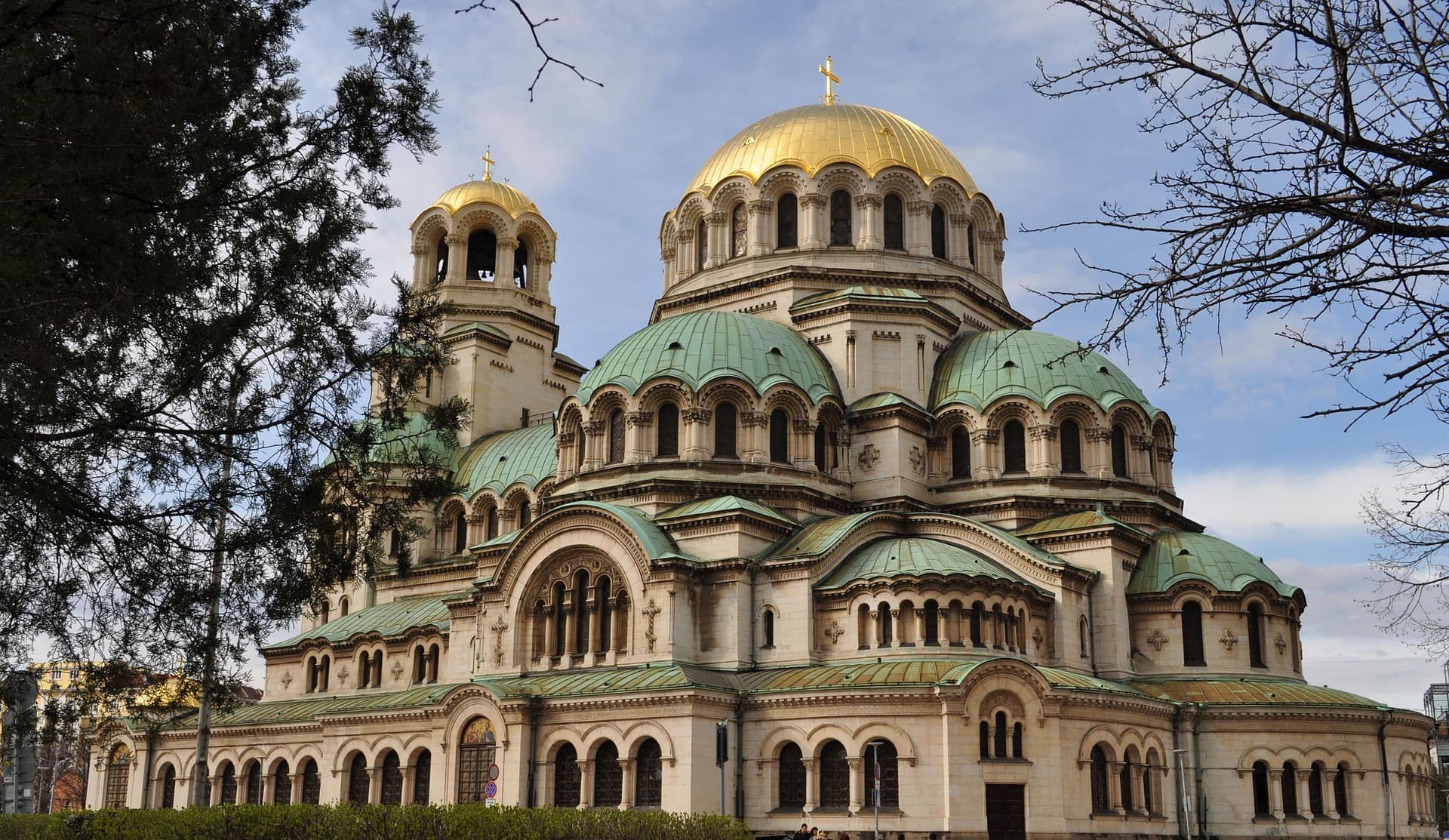
1. Alexander Nevsky Cathedral
Sofia's symbol. A massive Neo-Byzantine cathedral with gold domes, built to commemorate the 200,000 Russian soldiers who fell in Bulgaria's 1878 War of Liberation. One of the largest Orthodox cathedrals in the world, and up close it's simply breathtaking. Free entry to the cathedral itself, small fee for the icon crypt.
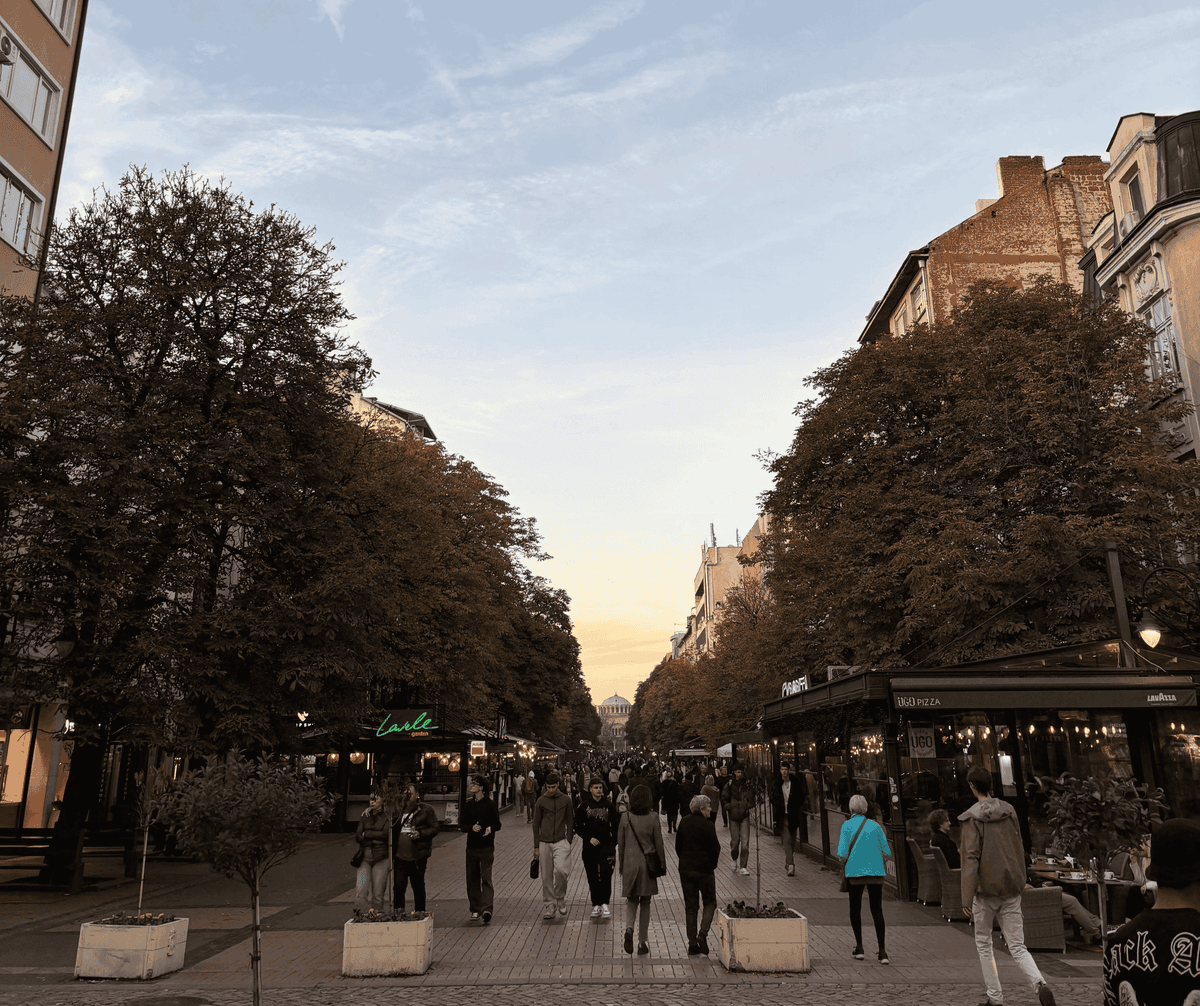
2. Vitosha Boulevard (Vitoshka)
Sofia's main pedestrian street, the Champs-Élysées of the city but more laid-back. Full of cafés, restaurants, international shops, street artists, and views of the Vitosha mountains at the end of the street. The best street in the city to simply stroll without purpose and sit at a café with a view.
3. Serdika Excavations
Below the Serdika metro station lies Sofia's Rome. Recently they uncovered an entire Roman city from the 2nd to 4th centuries CE, including temples, shops, and paved streets. Free entry, and the experience of descending an escalator into an ancient city is pretty cool.
4. The Great Synagogue
One of the most beautiful synagogues in Europe, the third-largest in Eastern Europe, built in 1909 in Moorish-Visigothic style. Sofia's Jewish community is small (about 2,000 people) but active. Worth a visit, and also worth learning the incredible story of how Bulgaria's Jews were saved during the Holocaust: approximately 48,000 Bulgarian Jews were saved from deportation to death camps thanks to the intervention of the public, the Orthodox Church, and the king.
5. Banya Bashi, the Mosque of the Hot Baths
A 16th-century Ottoman mosque, still active. Located in Serdika Square on Sofia's hot mineral springs. Right next to the public mineral water fountains, where you'll see Bulgarians filling bottles of mineral water for free.
6. St. George Rotunda
The oldest complete building in Sofia, from the 4th century CE. A circular church made of red bricks, hidden in the inner courtyard of a government office building. From outside, it looks like nothing. From inside, Byzantine frescoes from the 10th century that send chills down your spine. Free entry.
7. National Museum of History
A bit far from the city center (15 to 20 minutes drive), but contains the most important collection in Bulgaria, including the 2,400-year-old Panagyurishte Gold Treasure, stunning Thracian artifacts, and exhibits on every period of Bulgarian history. A solid half-day.
8. Boyana Church
UNESCO site, 15 minutes from center, at the base of Vitosha Mountain. A small 10th-century church with 13th-century frescoes considered precursors to the Italian Renaissance, 200 years before the Renaissance started in Italy. Limited to 15 visitors at a time and only 10 minutes each, to preserve the frescoes.
9. Borisova Gradina (Boris's Garden) Park
A huge public park in the city center, behind the Parliament building. A good spot for an hour's walk between tours, to see Bulgarians in their daily lives: eating ice cream, playing chess, walking dogs.
10. Vitosha Mountain
A 2,290-meter mountain that rises above the city. In winter, a ski resort. In summer, long hiking trails with lakes, streams, and panoramic views of Sofia. The popular spot is the "Golden Bridges" (Zlatni Mostove), a strip of large boulders created by glacial processes thousands of years ago. Accessible by public bus from the city.
Guided Tours in Sofia
Sofia is a city you can explore on your own, but there's a good reason to take a guide at least for one day, to understand what you're seeing. Here is what we offer:
Stella's Sofia: A Journey Through Time in the Capital
Stella's Sofia tour is a 2 to 3 hour walking tour through the layers of Sofia's history. Stella, who guides in English and Bulgarian, takes you over the Roman ruins of ancient Serdica, past Ottoman mosques and medieval churches, and shows how empires shaped today's capital. Price: €40 per adult, €20 per child aged 2 to 12. In these 2 to 3 hours you'll learn more than from most guides in the city.
If you want to understand the history of Bulgaria's Jewish community, book the separate Jewish Sofia tour: a walk through the former Jewish quarter and its synagogues, and the story of how Bulgaria's Jews were rescued during the Holocaust. Price: €45 per person.
How to choose: Interested in Sofia's history? Stella. Want the Jewish quarter and the rescue story? The Jewish Sofia tour. Both are great, just different.
Food in Sofia: What to Eat and Where
Bulgarian food is like a blend of Greek, Turkish, and Slavic, with something else all its own. Here's what not to miss:
Must-Try Dishes
- Banitsa: Phyllo dough with white cheese, leeks, or pumpkin. A classic Bulgarian breakfast you'll find on every corner for €1.5 to €3.
- Shopska salad, the national salad: tomato, cucumber, pepper, onion, topped with grated white sirene cheese.
- Kavarma: Slow-cooked meat and vegetable stew in a clay pot. A warming winter dish.
- Tarator: Cold soup of yogurt, cucumber, garlic, and olive oil. Perfect for summer.
- Rakia: The national alcohol, distilled plum or grape brandy. Fiery but elegant. Bulgarians drink it before meals, not after.
Where to Eat
Pod Lipite: A traditional tavern from 1926, authentic Bulgarian food, stone-and-fireplace atmosphere. One of the best traditional restaurants in the city.
Hadjidraganov's Cellars: Clay pots, folk music, Bulgarian cuisine at its finest. Good for families with kids thanks to the atmosphere.
Moma Restaurant: Modern Bulgarian corner, more designed, suitable for couples.
Tsentralni Hali (Central Market Hall): Indoor market renovated in 2024, full of diverse food stalls. The best way to taste Bulgarian food without committing to one restaurant.
Where to Stay: Neighborhood Guide
Sofia isn't huge, but choosing the right neighborhood does affect your experience:
City Center / Serdika (Most recommended for first-time visitors)
Around Serdika Square, Alexander Nevsky Cathedral, and Vitosha Boulevard. Everything walkable, high-quality hotels, restaurants, and shopping. This is the best area for a 3 to 4 day trip. Our Sofia hotels guide covers the best options in this area, with the pros and cons of each.
Banya Bashi / Lozenets
A slightly more northern area of the center, around the mosque and hot springs. Less touristy, more local, lower hotel prices. Great for those wanting to save while still being walking distance from the center.
Iztok / Vitosha
The business and embassy area, modern and quiet, a bit further from the history but a good spot for longer-stay travelers. Suitable for those wanting to live like a local.
Hotel or Airbnb?
Sofia is full of high-quality Airbnbs at low prices (€30 to €60 per night for a whole apartment). If you're a couple or small family wanting a kitchen and living room, go for Airbnb. If you want the hotel experience with gym and breakfast, pick a hotel. Our hotels in Bulgaria.
 Book it with us · AttractionJourney in Sofia: The Jewish Quarter and the Story of RescueFrom€45€45$51£38Book
Day Trips from Sofia
One of the great advantages of Sofia as a base is its central location. Within an hour or two's drive you can reach Bulgaria's most beautiful attractions. All these tours depart from Sofia and return to Sofia the same day:
Day Trip to Rila Monastery
Rila Monastery is a UNESCO site, Bulgaria's most important monastery, surrounded by stunning mountains. The tour departs Sofia in the morning, a 1.5-hour drive, a tour of the monastery, and returns to Sofia by evening. Price: €95 per adult, €50 per child aged 2 to 12, 7 hours. One of the most recommended tours for any Sofia visitor.
Seven Rila Lakes
For the more adventurous: Seven Rila Lakes. A guided full-day trek from Sofia to one of Bulgaria's most beautiful landscapes: seven glacial lakes in the Rila Mountains. Price: from €100 per person (minimum 2), a full day of about 10 hours with a walk of about 3 to 4 hours and views of 5 of the 7 lakes; the chairlift (€16 return) and the optional hot springs are paid on site. Read our complete guide to the Seven Rila Lakes.
Rila Rock and Hot Springs
Rila Rock: a day of nature, views, and hot springs. Departs from Sofia, relaxing and great for a mellow day. Price: €96 per person, €50 per person from the third guest.
Borovets: Snow Day
In winter, a snow day in Borovets. The closest ski resort to Sofia, hot springs, snow attractions for all ages. Departs Sofia in the morning. Price: €85 per adult, €45 per child aged 2 to 12.
Rose Valley (Seasonal)
May and June are the rose harvest season in the Rose Valley. Blooming rose fields, rose oil distilleries and local jam tastings: everything to know before you go is in our Rose Valley guide.
Sofia + Vitosha Mountain
Haven't seen Sofia from above yet? The combined tour of Sofia center and Vitosha Mountain gives you a morning of city touring and an afternoon in the mountains. Price: €80 per adult, €40 per child aged 2 to 12.
Kambanite (Bells) Park
Bells Park: a unique park on Sofia's outskirts with bells from 90 countries, built in 1981. Price: €105 per adult, €25 per child aged 2 to 12. A short visit, perfect to combine with a meal.
Getting There and Around
Flights to Sofia
Sofia Airport has direct flights from many European cities.
Airport to City
Metro M4: Fastest and cheapest. Terminal 2 directly to the city center (Serdika station) in 20 minutes. Price: €0.80 per person.
Official taxi: €8 to €12 to the center. The airport's partner taxi company is Yellow, with desks in the arrivals halls of both terminals.
Private transfer: If you're with kids, lots of luggage, or just want a clean arrival, book a private transfer in advance. Driver waits with a sign, air-conditioned vehicle, straight to the hotel.
Public Transport in the City
Metro, trams, and buses. Single ticket: €0.80. Much cheaper than Western Europe. The "Sofia Traffic" app is useful.
Walking
Most major tourist sites are within a 2 km radius around Serdika. Sofia is an excellent walking city.
When to Go
April and May: The most beautiful. Blooming flowers, pleasant weather (15 to 22°C), fewer tourists, reasonable prices.
June to September: Hot (25 to 32°C), crowded, higher prices, but great for combining with a coast trip.
October and November: Beautiful autumn, the city empties out, low hotel prices. Temperatures 10 to 18°C, a light jacket needed.
December to March: Winter with occasional snow, very beautiful, and this is the time of amazing Christmas markets. Ideal for combining with skiing in Borovets or Bansko.
3-Day Sofia Itinerary
Day 1: Heart of History
Morning: Alexander Nevsky Cathedral, walk to Serdika excavations, Banya Bashi Mosque, Great Synagogue. Afternoon: Lunch at a café on Vitoshka. Later: St. George Rotunda, Borisova Gradina park. Evening: Dinner at Pod Lipite.
Day 2: Guided Tour + Museum
Morning: Stella's Sofia tour (2 to 3 hours). Afternoon: Lunch on Vitoshka. Later: National Museum of History (half a full day). Evening: Back to center, drink on Vitosha Boulevard.
Day 3: Day Trip
Choose one of the tours mentioned above: Rila Monastery (most recommended for a first trip), Seven Rila Lakes (for the active), or Rose Valley (in season).
FAQ
How many days are recommended in Sofia?
At least 2 days in Sofia itself, plus one day for a day trip. 3 to 4 days is the perfect combo. For those wanting to also see Bansko or the coast, plan 5 to 7 days in Bulgaria with 3 days in Sofia as a base.
Do I need to know Bulgarian?
No. English is common in the city center and tourist businesses. Signs are in Bulgarian Cyrillic, but everyone speaks basic English. Most young Bulgarians are fluent in English.
Is Sofia safe for tourists?
Yes, one of the safest destinations in Europe. Relatively low crime, even at night in the center. Maintain normal tourist alertness: don't leave your wallet on a café table, don't accept invitations from strangers to bars you don't know. Solo women travelers have consistently reported feeling very safe.
Should I rent a car in Sofia?
For most visitors, no. The city center is accessible by foot and metro, and parking is complicated. A rental car is only recommended if you plan to go in and out more than once for day trips (in which case a car + hotel package can be efficient). For single day trips, a private transfer or organized tour is more convenient.
Are there activities for kids in Sofia?
Yes. Varna's dolphinarium isn't in Sofia, but Sofia has the Children's Science Museum, Borisova Gradina park, excellent ice cream shops on Vitosha Boulevard, and Vitosha Mountain activities (hiking in summer, sledding in winter). Read our complete guide to family vacations in Bulgaria.
How does Sofia fit with other Bulgaria destinations?
Sofia is the ideal base. From Sofia you can reach Bansko in 2.5 hours (skiing in winter, hiking in summer), the Black Sea coast in 4.5 hours, and Plovdiv in 2 hours. Most visitors combine Sofia + 1 or 2 other destinations in a 7 to 10 day trip.
The Bottom Line
Sofia isn't a showcase destination: it doesn't dress up, doesn't apologize, and doesn't try to be Prague or Vienna. It's a real city with 7,000 years of history under the pavement, with a Jewish story worth knowing, with tasty food, with warm people, and with prices that still make sense. Those who come with reasonable expectations and curiosity leave with good memories and the feeling of having discovered something not everyone has seen yet.
Want help planning your vacation? Talk to us, and we'll help you build an itinerary that fits you, with private airport transfers, recommended hotels, and guided tours.
Asked in our group
What members of our Facebook group ask about this, with our answer.
We only have one day in Sofia. What shouldn't we miss?
The historic centre on foot: Alexander Nevsky Cathedral, the Church of St Sofia, the Rotunda and the ruins of Serdika, then the Banya Bashi Mosque, the Central Mineral Baths and the Central Synagogue, ending on Vitosha Boulevard. It comes to about 4 km, roughly an hour of actual walking. Note that the synagogue is closed to visitors on Saturdays.
Which area is best to stay in Sofia?
The centre, around Sveta Nedelya Square and the pedestrian part of Vitosha Boulevard. Our rule: if your hotel is up to 10 minutes' walk from pedestrian Vitosha, you're in the right place, because you'll see most of the city on foot. Want quiet? Lozenets, about 5 minutes' drive from the centre, or Oborishte, calm and still walkable.
Share this guide