
Best Time to Visit Bulgaria: Weather, Seasons and Holidays
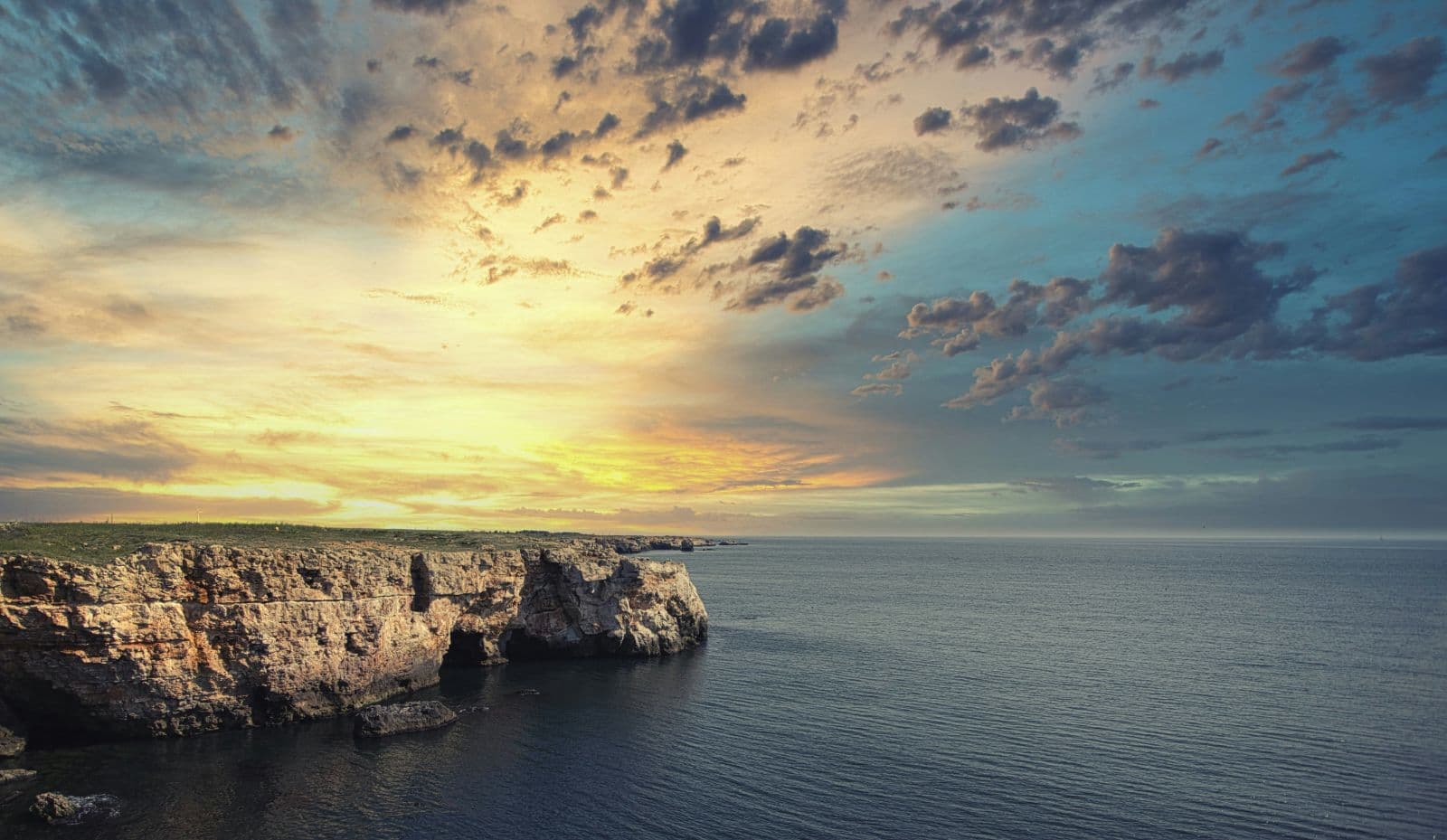
If you can pick only one month, visit Bulgaria in September: 23°C days in Sofia, the sea still around 23°C, open mountain trails and the summer holidays over. For specific plans, ski from mid-January to mid-March, swim in the Black Sea from late June to mid-September, and tour cities, nature and wineries in late May, June, September or early October.
We live in Sofia, and this guide puts everything you need to pick your dates in one place: a month-by-month table with long-term weather averages for Sofia and the Black Sea coast, what is open in each season, what Bulgaria offers on the Israeli holidays of 2026 and 2027, and which season suits families, couples, hikers, skiers and spa lovers.
Contents
- Bulgaria weather by month: table and what is open
- Winter (December to March): skiing, spas and snow
- Spring (April to June): blossoms, roses and full rivers
- Summer in Bulgaria (July and August): the Black Sea or the mountains
- Autumn (September to November): colors, harvest and quiet
- Bulgaria on Israeli holidays: Sukkot, Hanukkah, Passover and the summer break
- Which season suits you
- Frequently asked questions
- What to do next
Bulgaria weather by month: table and what is open
Here is what you need to know before reading the table: Bulgaria does not have one climate. Sofia sits inland at the foot of Vitosha Mountain, so its winters are colder than on the coast, while the coast around Varna and Burgas is milder in winter and warmer in summer. The table shows the average daytime high, the number of days with precipitation in Sofia and the sea temperature.
| Month | Sofia: high, wet days | Varna: high, sea | What to do |
|---|---|---|---|
| January | 4°C, 10 days | 7°C, sea 8°C | Skiing, spas and hot springs, sometimes snow in Sofia too |
| February | 7°C, 11 days | 8°C, sea 7°C | The heart of the ski season |
| March | 11°C, 10 days | 11°C, sea 8°C | Still skiing in the mountains, spring starts in the cities |
| April | 17°C, 12 days | 16°C, sea 10°C | Skiing ends around mid-month, city breaks in Sofia and Plovdiv, full rivers for rafting |
| May | 21°C, 15 days | 21°C, sea 16°C | Everything green, day trips, rose picking from late May, the most rainy days in Sofia |
| June | 25°C, 13 days | 26°C, sea 22°C | Rose Festival, swimming season opens late in the month, afternoon thunderstorms |
| July | 28°C, 9 days | 29°C, sea 25°C | Peak beach season, Seven Rila Lakes and high trails |
| August | 28°C, 7 days | 29°C, sea 25°C | Peak sea and mountains, the most expensive month to fly |
| September | 23°C, 8 days | 25°C, sea 23°C | Swimming until mid-month, trails open, grape harvest, fewer crowds |
| October | 18°C, 11 days | 19°C, sea 18°C | Autumn colors, wine, cities and monasteries, Rila lakes start to freeze |
| November | 11°C, 10 days | 13°C, sea 13°C | The quietest month, spas and cities, one of the cheapest months to fly |
| December | 5°C, 10 days | 8°C, sea 10°C | Ski season opens (snow permitting), Christmas and New Year |
Sofia and Varna figures are official 1991 to 2020 averages, and sea temperatures are long-term averages for Varna and Sunny Beach. Burgas is almost identical to Varna, with 29°C highs in July and August. Bansko, at 925 m at the foot of the Pirin Mountains, has daytime highs almost identical to Sofia's (at most 1°C lower) but colder nights: in January it drops to about -6°C on average (2000 to 2014 averages).
Winter (December to March): skiing, spas and snow
In winter you ski, soak in outdoor hot springs while the snow falls, and Sofia itself often turns white. January highs in Sofia barely reach 4°C and nights are below freezing, so pack a proper coat and shoes with good grip. For everything to do in this season, with or without skis, read our guide to Bulgaria in winter.
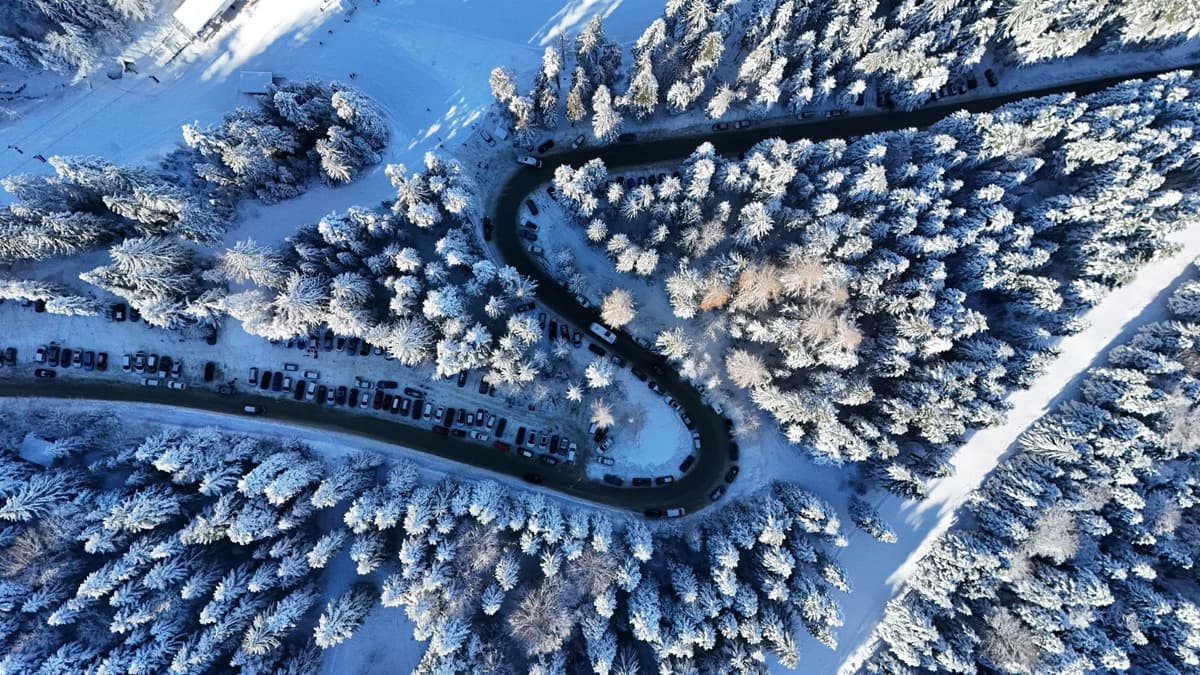
December: snow is not guaranteed yet
In early December the ski resorts are still waiting for snow. Bansko opened on 16 December 2023, on 6 December 2024 (after early snowfall) and on 13 December 2025, and its planned opening for the 2026/27 season is 12 December 2026. After an unusually warm December, Borovets and Pamporovo only opened on 27 and 28 December 2025. The holidays come at the end of the month: 24 to 26 December are Christmas public holidays in Bulgaria, in the week up to New Year's Eve both Bulgarians and many other Europeans are off, and in Bansko the 2025/26 peak ski-pass prices started on 27 December.
Bottom line: for reliable snow, aim for mid-January to mid-March. Early April is cheaper (in Bansko an adult day pass dropped from €59 in peak season to €45 from 1 April, at 2025/26 prices), but with 16°C highs in town the snow turns soft in the afternoon. For how Bansko, Borovets and Pamporovo compare and where the snow is most reliable, see our guide to skiing in Bulgaria.
Spring (April to June): blossoms, roses and full rivers
Hardly anyone talks about spring in Bulgaria, which is a shame. By April Sofia already reaches 17°C by day, the peaks are still white and the rivers fill with snowmelt. It is a good time for Sofia and Plovdiv, and the full rivers are perfect for rafting: rafting on the Struma River starts from €40 per person (as of September 2026). According to the operator, spring brings big waves and plenty of adrenaline, while in summer the river is warm and pleasant for swimming.
The downside: May and June are Sofia's wettest months, with 15 days of precipitation in May and 13 in June, mostly short afternoon thunderstorms. Plan mountain walks for the morning and keep a small umbrella in your bag.
The Rose Festival in Kazanlak
In the Rose Valley the roses are picked from late May to early June, and the Rose Festival in Kazanlak is the highlight. In 2026 the village rose-picking rituals took place on weekends from 23 May, the Rose Queen was crowned on 5 June, and the big parade was on Sunday, 7 June. Before booking for 2027, check the official program of Kazanlak municipality, because the dates move from year to year. Kazanlak is far enough from Sofia that it is worth staying overnight or combining it with Plovdiv, and our Rose Valley guide has all the details.
Summer in Bulgaria (July and August): the Black Sea or the mountains
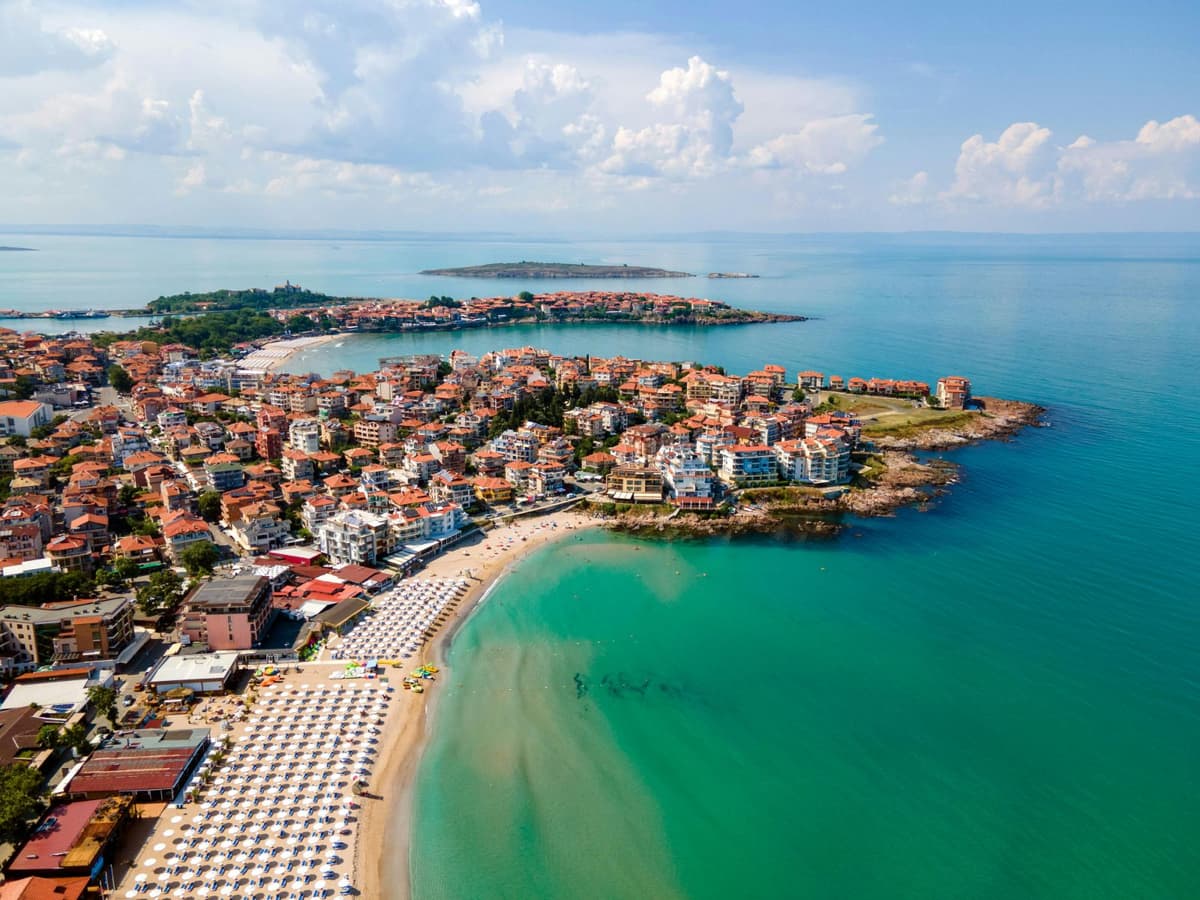
Summer in Bulgaria gives you two options: the sea, or escaping the Israeli heat in the mountains. On the Black Sea coast, July and August highs average 29°C and the water reaches about 25°C. The tourist season on the coast runs roughly from May to October, but for comfortable swimming come between late June and mid-September, and at the start and end of the season the beaches are less crowded than in mid-August. For Sunny Beach, Nessebar, Sozopol and the rest, read our Black Sea coast guide. Just remember that the sea is a long way from Sofia, so this is a holiday with overnight stays, not a day trip.
Sofia in August
Sofia in August is more pleasant than people expect: the average high is 28°C, nights drop to about 15°C, and August has the fewest days of precipitation all year, 7 on average. On the hottest days it can pass 35°C, and then you do what locals do: head up Vitosha, the mountain on the city's doorstep, whose summit, Cherni Vrah, rises to 2,290 m. For more on Sofia in the hot months, including what to do with kids, see our Sofia in summer guide.
Escaping the heat in the mountains
July and August are the season for the high mountains. The Seven Rila Lakes sit between 2,100 and 2,500 m, usually freeze in October and do not thaw before June, so their season is mainly July to September. Our Seven Rila Lakes guide covers how to get there and what to expect. In Bansko you can hike in the Pirin Mountains, and in summer 2026 the town also hosted a jazz festival from 31 July to 9 August.
Autumn (September to November): colors, harvest and quiet
Bulgaria in September
September gives you almost everything: 23°C highs and only 8 days of precipitation in Sofia, the sea still around 23°C with comfortable swimming until mid-month, open mountain trails, and the Israeli summer holidays already behind you. In 2027 Rosh Hashanah, Yom Kippur and Sukkot all fall in October, so September 2027 is free of Jewish holidays. Just do not expect cheap flights: in September they still cost close to summer prices (about ₪1,020 return on average on Kayak), while October is much cheaper (about ₪665).
It is also harvest season. In Bulgaria the harvest starts in late August and runs into October, and Melnik's own late-ripening grape is usually picked in October, so September and October both suit a wine day in Melnik, in the heart of the Struma Valley wine region. A day trip from Sofia to southern Bulgaria, with a wine tasting in a historic Melnik cellar and a visit to Rupite, starts from €90 per person (as of September 2026).
Bulgaria in October
In October you no longer come for the sea, which drops to about 18°C, but for the colors. The forests on Vitosha, Rila and the Rhodopes change color, daytime highs in Sofia average 18°C with nights around 6°C, and it is excellent weather for a full day of walking in the city or a day trip. Just note that winter starts early up high: the Rila lakes usually freeze during October, and nights in Bansko drop to about 5°C.
Bulgaria in November
November is the quietest month in Bulgaria: 11°C by day in Sofia, the ski season has not opened yet and the beach is behind you, so it is a month for cities, museums and hot springs. Flights are cheap too: on Kayak, November is one of the cheapest months to fly from Tel Aviv to Bulgaria.
Bulgaria on Israeli holidays: Sukkot, Hanukkah, Passover and the summer break
When all of Israel is on holiday, flights to Bulgaria get more expensive too. According to Kayak data for flights from Tel Aviv to Bulgaria (as of September 2026), the cheapest months are November and January, at about ₪540 to ₪570 return on average, and the most expensive are August (about ₪1,210) and July (about ₪1,050). Here is what Bulgaria offers on the coming holidays:
| Holiday or school break | Dates | What Bulgaria offers |
|---|---|---|
| Hanukkah 2026 | 4 to 12 December (school break: 6 to 12 December) | Before the planned opening of the ski season |
| Passover 2027 | 21 to 28 April (school break: 13 to 28 April) | After the ski season ends, green spring |
| Shavuot 2027 | 11 June (from the evening of 10 June) | A long weekend at the start of summer |
| Summer holidays 2027 | From 21 June in middle and high schools, from 1 July in primary schools | Peak sea and mountain season, and peak prices |
| Rosh Hashanah 2027 | 2 to 3 October (from the evening of 1 October) | Autumn colors begin, comfortable weather for day trips |
| Sukkot 2027 | Evening of 15 October to 22 October | Autumn colors and wine, no beach |
| Hanukkah 2027 | 24 December 2027 to 1 January 2028 | Christmas and New Year: a good chance of snow, but peak prices |
Bulgaria at Sukkot
Sukkot 2026 is already here, and if you fly now you will find a pleasant late September, good for Sofia, day trips and mountain trails, but no longer for the beach. Sukkot 2027 starts late, on the evening of 15 October, which means autumn colors and wine. As with every school break, flights fill up early, so book in the winter.
Bulgaria at Hanukkah
Hanukkah 2026 is early: 4 to 12 December, with the school break from 6 to 12 December. Bansko's planned opening for the 2026/27 season is 12 December 2026, the last day of Hanukkah, so the whole school break falls before the planned start. Only early snow, as in 2024, would change that (see the December section above). If this is your only window, build the trip around spas, hot springs and Sofia, and treat skiing as a bonus. And book early: December flights already cost more (about ₪700 return on average on Kayak, against about ₪540 in November). The ski logistics are in our practical guide to skiing in Bansko.
Hanukkah 2027 is the opposite story: it falls on Christmas and New Year, so the chance of snow is much better, but it is also the busiest and most expensive week of the season, with all of Europe on holiday. If you are thinking about skiing at Hanukkah 2027, book now.
Bulgaria at Passover
Passover 2027 runs from 21 to 28 April, and the school break starts as early as 13 April. Do not count on skiing: Bansko's 2025/26 season was scheduled to end on 12 April 2026, and the projected close for 2026/27 is 11 April 2027, before Passover. What you do get: a green spring, 17°C daytime highs in Sofia (nights around 5°C), Plovdiv, day trips and rafting.
Bulgaria in the Israeli summer break
July and August are peak demand from Israel, so they are also peak prices. In 2027 the summer break starts on 21 June in middle and high schools and on 1 July in primary schools, so families whose kids are all in middle or high school can fly in the last week of June, before the whole country goes on holiday, when the sea is already around 22°C. Either way, book early.
Which season suits you
- Families with kids: July and August for the sea or the mountains, booked early. For a family ski trip Bansko is the safe choice, and for the kids there are 2-hour ski lessons in Bansko in Hebrew and English, from €145 (as of September 2026).
- Couples: September and October, with a wine day in Melnik and an evening in Sofia. In winter, a spa weekend with hot springs.
- Hikers: July to September for the high mountains. The easiest start is a guided Seven Rila Lakes trek from Sofia, from €100 per person (as of September 2026). According to the tour description, you pay €20 on the spot for the chairlift, plus about €20 if you choose to add the hot springs. In May and June, stick to lower trails.
- Skiers: mid-January to mid-March for the most reliable snow, and early April if you want lower prices and do not mind soft snow.
- Spa lovers: November to March, when the water is hot and the air is cold. From Sofia you can join a winter day in Borovets that ends at thermal springs, from €85 per adult (pool entry and meals paid on site, as of September 2026).
Frequently asked questions
What is the best month to visit Bulgaria?
For most travelers, September: 23°C days in Sofia, the sea still around 23°C and open mountain trails. For skiing, go from mid-January to mid-March, and for the beach from late June to mid-September.
When does the ski season start in Bulgaria?
Bansko usually opens in mid-December (on 13 December 2025, and the planned opening for 2026/27 is 12 December 2026) and closes around mid-April. Snow is most reliable from mid-January to mid-March.
When is the best time to visit Bulgaria with kids?
July and August for the sea or the mountains, but these are also the most expensive months to fly, so book early. For skiing with kids, Bansko is the safe choice. And if all your kids are already in middle or high school, the last week of June is less crowded and the sea is already around 22°C.
How hot is Sofia in August?
On average 28°C by day and about 15°C at night, with heat waves of 35°C or more (the August record is 39°C). It is also Sofia's month with the fewest rainy days.
When can you swim in the Black Sea?
The water is pleasant from late June (about 22°C) to mid-September, and warmest in July and August at about 25°C. It cools through September and drops to about 18°C in October.
Is October a good time to visit Bulgaria?
Yes, if you come for cities, wine and autumn colors: daytime highs in Sofia average 18°C, with nights around 6°C, and the mountain forests change color. It is too late for the beach, and the Rila lakes start to freeze.
Is Passover a good time to visit Bulgaria?
Yes, but not for skiing: Passover 2027 (21 to 28 April) falls after Bansko's projected close on 11 April 2027. It is a great time for a green spring, Sofia and Plovdiv, day trips and rafting.
When is the Rose Festival in Bulgaria?
Usually in late May and early June, peaking on the first weekend of June. In 2026 the parade in Kazanlak was on 7 June and the rose-picking rituals began on 23 May.
What to do next
Picked your season? Now sort out the details. From Sofia airport to Bansko, Borovets or your hotel in town, book a private transfer at a fixed price; if you want to drive yourself to the Rose Valley, Plovdiv or Melnik, there is car rental; and all our day trips, from the Rila lakes to Melnik, are on the day trips from Sofia page.
Share this article with your friends: