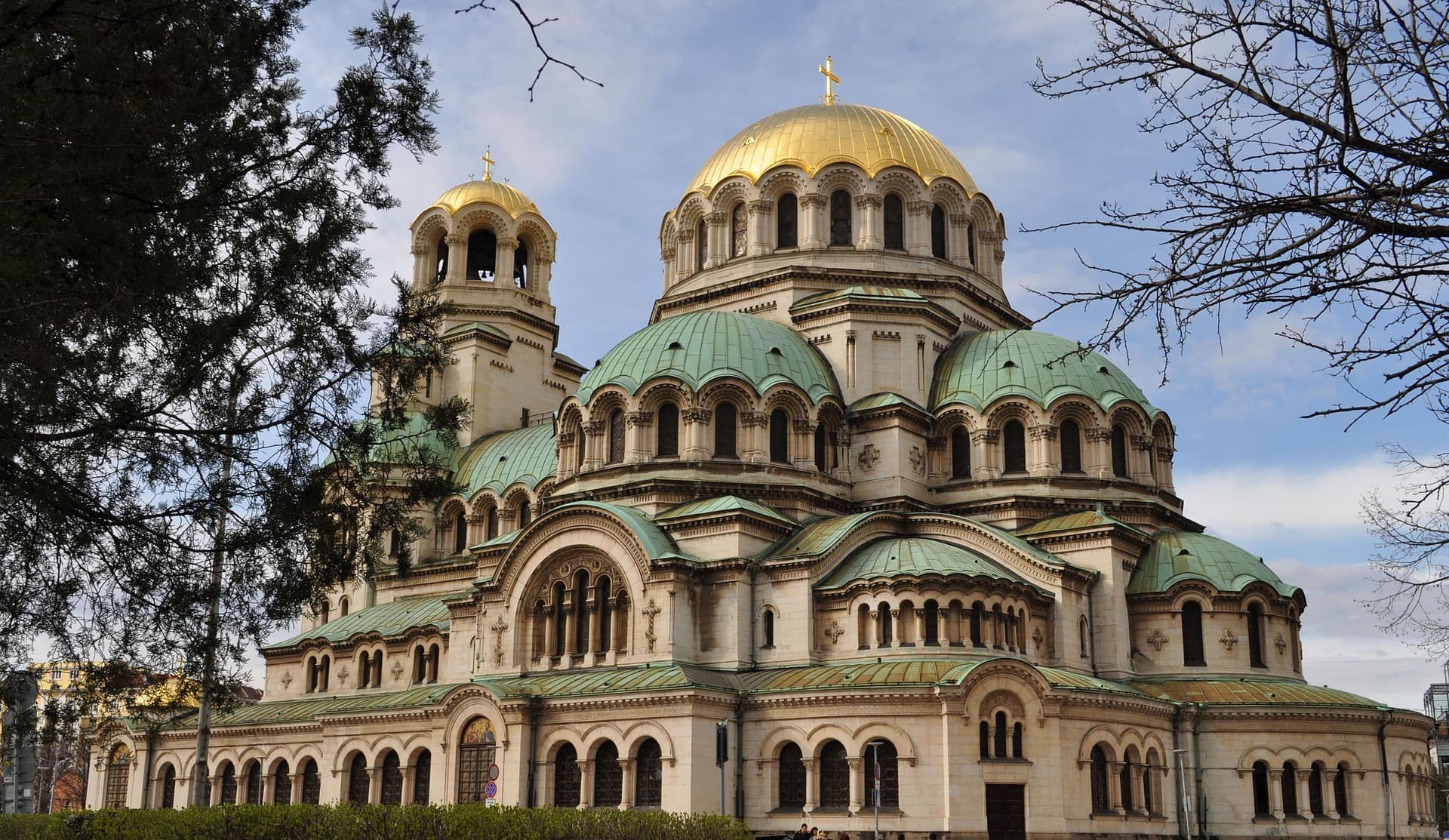
Bansko 2026: The Complete Guide to Skiing, Hiking, and Year-Round Adventures
Bansko is the Balkans' number one ski resort, and in summer a gateway to glacial lakes and hot springs. Your full guide to activities, prices and booking tips.
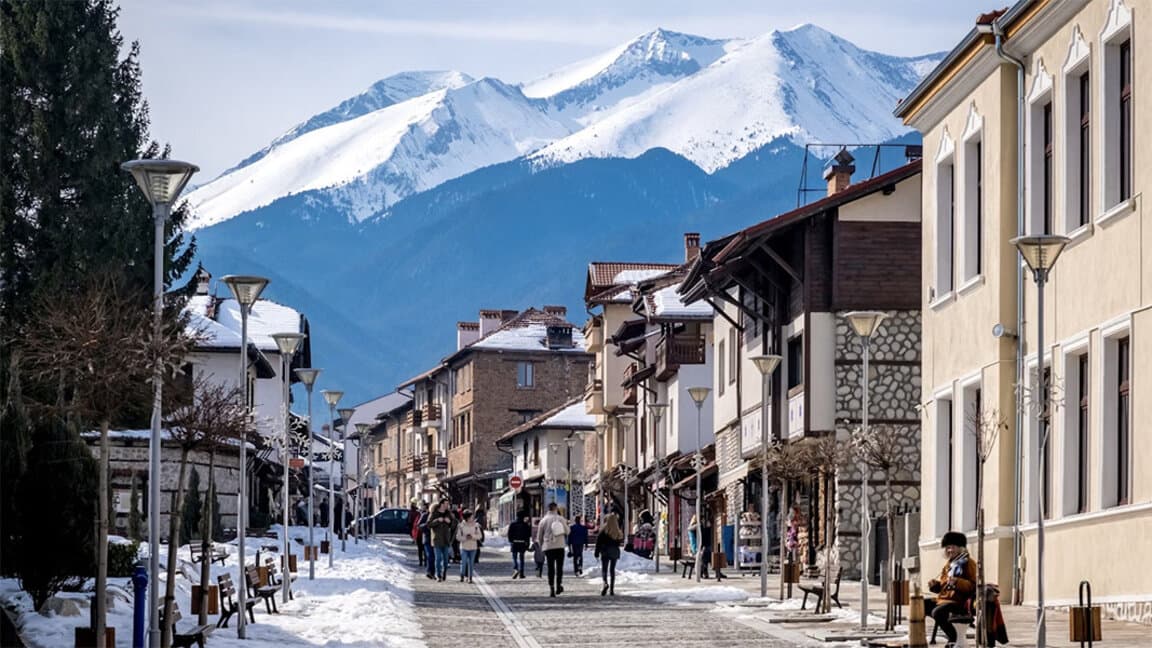
Bansko isn't just a ski resort. It may be the single most popular destination in Bulgaria for international travelers, and for good reason. In winter, it's the Balkans' leading ski resort. In summer, it's a gateway to a national park with glacial lakes, peaks above 2,900 meters, and natural hot springs just 5 km away. All at prices that will make anyone who's skied the Alps laugh out loud.
В това ръководство10 раздела
Here's the complete 2026 guide to Bansko: what to do, when to come, where to stay, and every experience you can book in advance.
Table of Contents
- Winter in Bansko: Skiing and Snowboarding
- Summer in Bansko: Hikes, Lakes, and Adventures
- The Old Town: What's Worth Seeing
- Eating in Bansko: What to Try and Where
- Banya: The Hot Springs of the Region
- All the Experiences You Can Book
- Practical Tips Before Your Trip
- Frequently Asked Questions
Winter in Bansko: Skiing and Snowboarding
The ski season usually opens in mid-December (13 December in 2025, 6 December in 2024) and runs to early April. The 2026/27 dates have not been announced yet. The resort on Mount Todorka offers around 75 km of marked slopes, 14 lifts, and the highest point reaches above 2,500 meters, which guarantees good snow late in the season, when Alpine resorts are already thinning out.
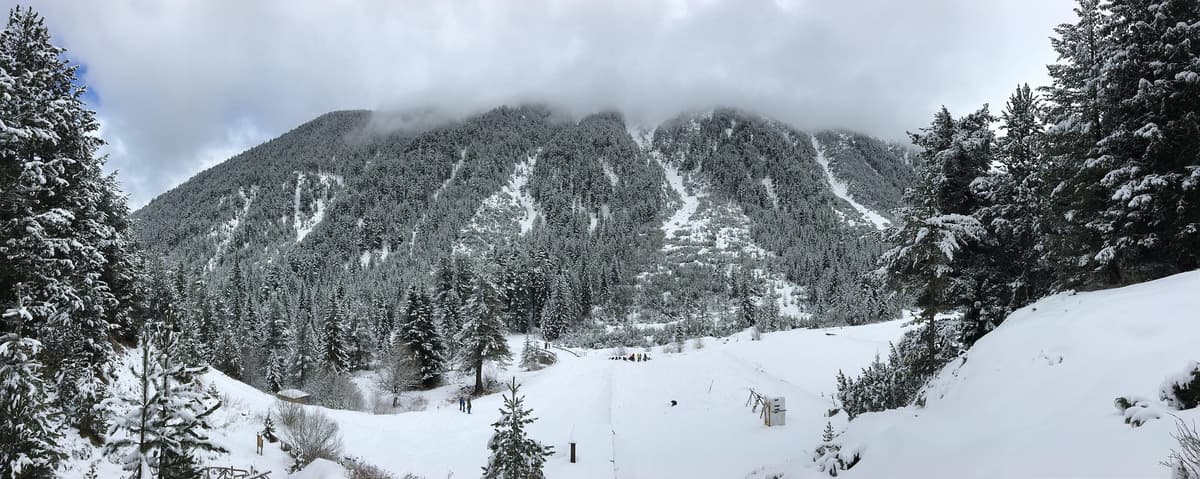
The slope mix works for every level:
- Beginners: Banderishka Polyana, a wide, relatively flat area with a ski school for adults and kids.
- Intermediates: Most red runs around Plato and Banderitsa. Real red-level runs, not disguised blues.
- Advanced: The black runs on Todorka and the official competition slope.
- The Ski Road: A 16 km run that takes you from the top of the mountain back to town, a must-do at least once. The final 7 km are floodlit for night skiing.
What you need to know about gondola queues: Between 8:30 and 10:30 AM, the main gondola can mean a 60+ minute wait, especially on weekends and in peak February. Two solutions: either arrive at 8:00 before the queue builds, or head up after 11:00 once the first wave is done. This isn't a complaint against the resort. It's just the reality of a resort this busy.
2026 Ski Pass Prices
In the 2025/26 season an adult day pass cost €59 in peak season (27 December to 31 March), and less in the first days of the season (65 BGN, about €33). That is still far cheaper than a comparable resort in France or Austria, and multi-day passes cost less per day. Children under 7 pay just €0.60 with a paying adult. Prices for 2026/27 have not been published yet; our Bansko ski guide has the full winter picture. For exact current prices, check banskoski.com directly before booking.
Summer in Bansko: Hikes, Lakes, and Adventures
This is the part most travelers don't know about. Bansko in summer is not the same place as in winter. It's something entirely different. Comfortable temperatures of 23 to 28°C (while the Black Sea coast is sweating at 35°C), a huge national park on your doorstep, and hotel prices that drop significantly as the town empties out.
What you can do:
- Vihren Peak (2,914 meters): Bulgaria's second-highest peak. A full-day guided hike. Not for the faint-hearted: this is a real challenge. The Vihren Peak hike with us costs €35 per person.
- Three Lakes of Pirin: A moderate day hike with stops at three stunning glacial lakes. Suitable for regular hikers. The Three Lakes hike costs €45 per person.
- Enduro and climbing: An enduro motorbike tour through the Pirin forest trails, or guided rock climbing for beginners and advanced climbers.
- Horseback riding: A calm forest trail suitable for kids aged 6 and up. Horseback riding in Bansko from €45 per person for a full hour.
- Mountain biking and MTB: Some winter ski runs become summer mountain bike trails, with some lifts carrying you and your bike uphill for free.
Mountain safety: in an emergency in the mountains, call 112 and ask for mountain rescue, or call the Mountain Rescue Service directly on 02 963 2000.
Bansko Jazz Festival
A free event that takes place every August, with open-air performances in the main square and at the bigger hotels. A full week of music: the festival brings in international artists and the best of the Balkan scene. If you're planning a summer trip to Bansko in 2026, check the festival's official website for current dates before booking flights.
The Old Town: What's Worth Seeing
Bansko has two souls. The modern "Gondola District" with luxury hotels and après-ski bars: that's what most tourists see. But the real heart of Bansko is the Old Town, with cobblestone streets, 18th-century wooden-and-stone houses, and the smell of wood fires every winter.
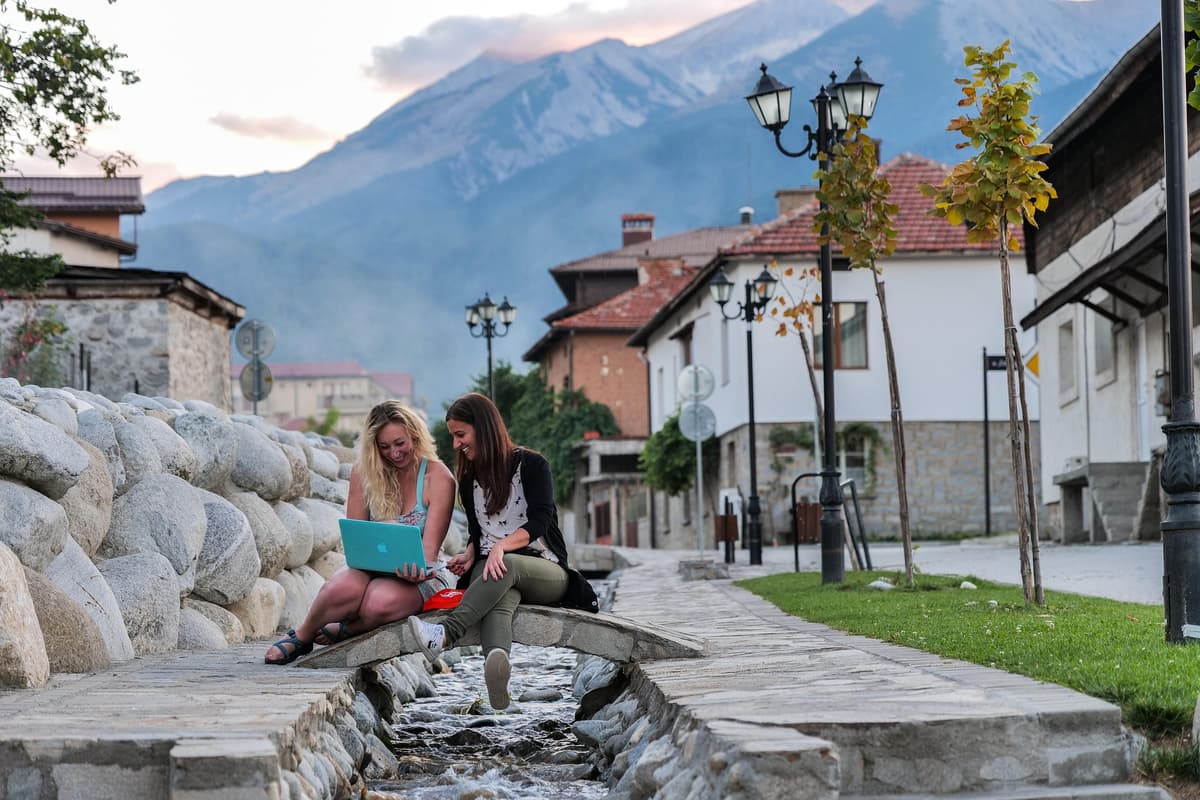
Must-see spots:
- Holy Trinity Church: Built in 1835 with intricate wood carvings and a 30-meter bell tower. Free entry.
- Neofit Rilski House Museum: A traditional fortified Bulgarian home, showing how wealthy families lived under Ottoman rule.
- Nikola Vaptsarov Square: The heart of town life. The Jazz Festival takes place here, and on summer evenings this is where everyone gathers.
Eating in Bansko: What to Try and Where
Bulgarian food is traveler-friendly: lots of meat, fresh salads, generous portions. Bansko has dozens of "mehanas" (traditional taverns) serving authentic home-style Bulgarian food. Don't miss:
- Kapama: A slow-baked clay-pot dish of sauerkraut with various meats and sausages. The most Bansko thing you can eat.
- Chomlek: Tender veal stew with whole onions and red wine. Perfect for a cold winter evening.
- Banski Starets: A spicy, aged local salami. Pairs perfectly with Bulgarian red wine.
- Shopska Salad: Bulgaria's national salad: tomatoes, cucumbers, grated feta cheese. Simple and excellent.
If you want a unique experience, a stone grill forest picnic is something you won't find at a regular restaurant: a traditional meal cooked on hot stones over an open fire. €45 per person.
 Резервирайте при нас · АтракцияУроци по ски с инструктор (2 часа)От€145€145$163£122Резервирайте
Banya: The Hot Springs of the Region
Just 5 km from Bansko sits the village of Banya, home to more than 70 natural hot mineral springs. Water temperatures range from 38 to 42°C (100 to 108°F). There are outdoor pools open year-round, which means, yes, you can soak in hot water surrounded by snow in February.
Most major hotels in Bansko and the surrounding area include spa facilities with mineral water. After a day of skiing or hiking, a couple of hours in the spa is essentially mandatory.
All the Experiences You Can Book from Bansko
Bansko is also an excellent base for day trips in the surrounding region. Here's what you can book through us with English-speaking guides:
- Melnik and Rozhen Monastery: A wine and heritage day trip, full day, €60 per person. Melnik is Bulgaria's wine capital.
- Kovachevitsa and Leshten: Stone villages of the Rhodope mountains, full day, €45 per person. An authentic rural experience with optional hot springs.
- Three Lakes of Pirin: Scenic day hike, 4 to 6 hours, €45.
- Vihren Peak: Bulgaria's second-highest peak, 7 to 8 hours, €35.
- Horseback riding: One-hour forest ride, €45, family-friendly.
- Guided rock climbing: up to 2 hours, €45.
- Pirin enduro tour: Full day on motorbikes, €350.
- Stone grill forest picnic: Evening meal in the forest, 3 to 4 hours, €45.
For more options, see our full Bulgaria attractions catalog, updated seasonally.
Practical Tips Before Your Trip
- How to get there: Bansko is about 150 km from Sofia. The drive takes around 2.5 hours. The most convenient option is a private transfer from the airport, which saves the headache of renting a car in the snow.
- When to come for skiing: January and February are peak season: best snow, longest queues. March is the sweet spot: snow is still excellent, lines are shorter, prices drop.
- When to come in summer: June through September. August is hottest and busiest (the Jazz Festival). June and September are quieter with wildflowers or early autumn colors respectively.
- Currency: Since January 2026 Bulgaria is on the euro. Some receipts and restaurant menus still show dual pricing in lev during transition. Don't get confused, payment is in euro.
- Central hotel or gondola-side? If you're with small kids or don't want to walk at night, go for a hotel in the town center, more life and restaurants. If you're mainly here to ski, a gondola-side hotel saves you 30 minutes every morning.
- Language: Most hotels and some restaurants speak English.
Frequently Asked Questions
How much does a week in Bansko cost in 2026?
A couple for a week with a mid-range hotel + ski passes + equipment rental + food comes to €1,200 to €2,000. That's about half of what a comparable trip to the Alps would cost.
Is Bansko suitable for families with small children?
Very much so. There's a Junior Ski School (run by Ulen) for kids from age 4, well-organized beginner areas, and our regional tours (horseback riding from age 6, Three Lakes) are family-friendly too.
What do you do in Bansko if you don't ski?
Plenty. Spa in the hot springs, hiking in the Pirin Mountains, Old Town visits, local cuisine, day trips to Melnik or the stone villages. There's plenty to do in winter without ever putting on skis.
Is Bansko worth visiting in summer?
Absolutely, and many would say that's when Bansko is at its best. In summer, prices drop, the region is relatively empty, and temperatures are comfortable. Excellent for families and nature lovers.
What's the easiest way to get from Sofia airport to Bansko?
The simplest option is a direct private transfer from the airport to Bansko, especially if you're arriving with ski equipment or kids. The drive takes about 2.5 hours.
The Bottom Line
Bansko hasn't been a secret for a while. International travelers figured it out years ago, and they were right. It simply works. European-quality skiing at reasonable prices. A massive national park for summer. Hot springs. Good food. Short distance from Sofia. Nobody visits Bansko and says "not worth it." The only question is how to shape your vacation: winter? Summer? Or maybe both?
At MakeYourTravel, we specialize in Bansko: tours and experiences, hotels at every price level, direct airport transfers, all with English-speaking support. Get in touch and we'll put together a trip you'll remember long after you're back.
Питат в нашата група
Какво питат членовете на нашата Facebook група по темата, с нашия отговор.
Може ли да стигна до Пловдив или Банско без кола?
Да. До Пловдив има автобуси и влакове, около 2 до 3 часа, само изберете директен влак, защото с прекачване пътят е пет до шест часа. За Банско тръгват няколко автобуса на ден от Централна автогара София и още повече от автогара „Овча купел“, около три часа. С деца и куфари частен трансфер с цена за колата ви спестява всички прекачвания.
Споделете ръководството