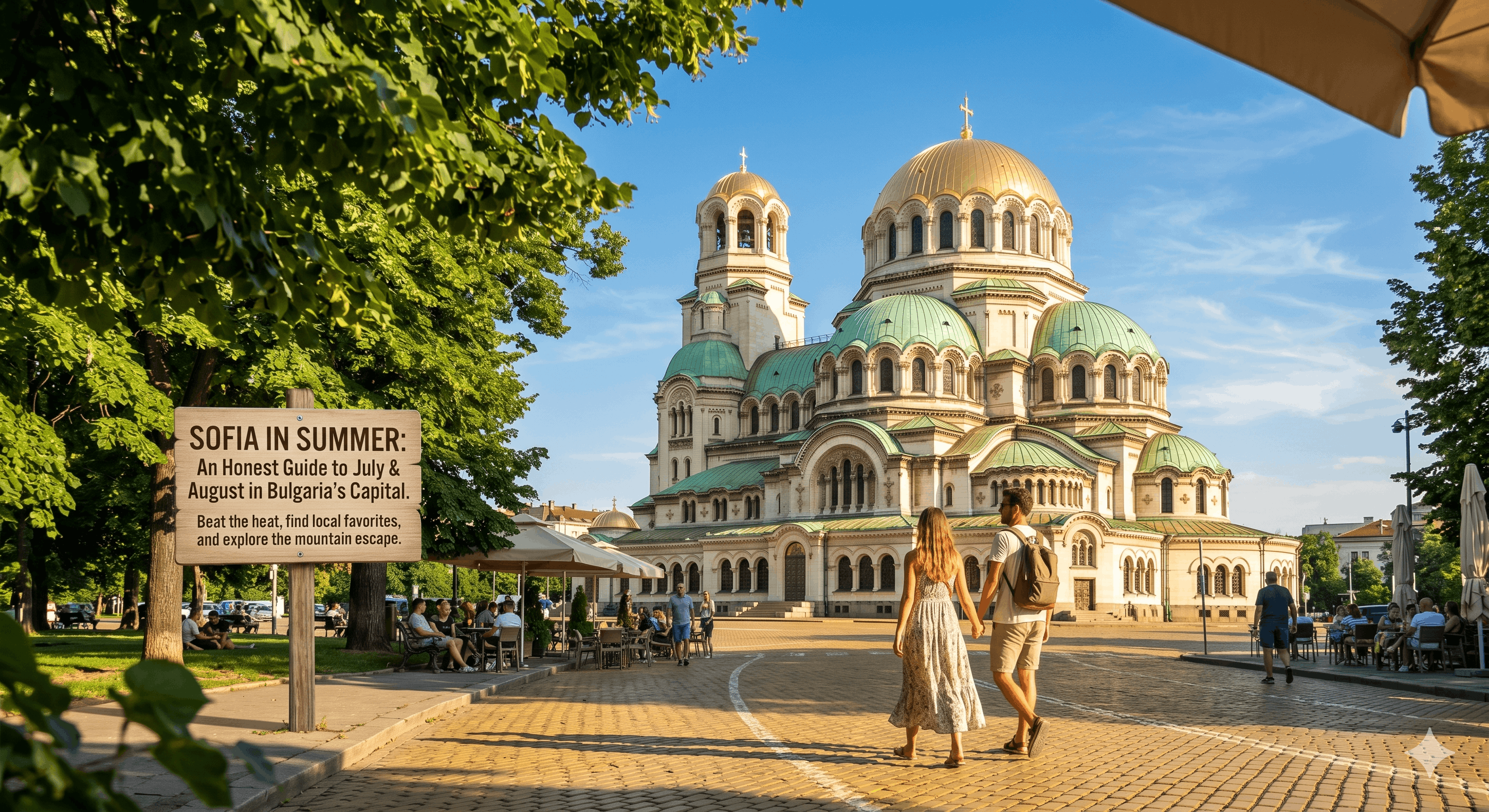
הים השחור בבולגריה: ורנה, בורגס, נסבר וסאני ביץ'
סאני ביץ', נסבאר, סוזופול וברגס. מדריך מלא לחוף הים השחור בבולגריה: חופים, אטרקציות למשפחות, המלצות אמיתיות ומה לא מספרים לכם.
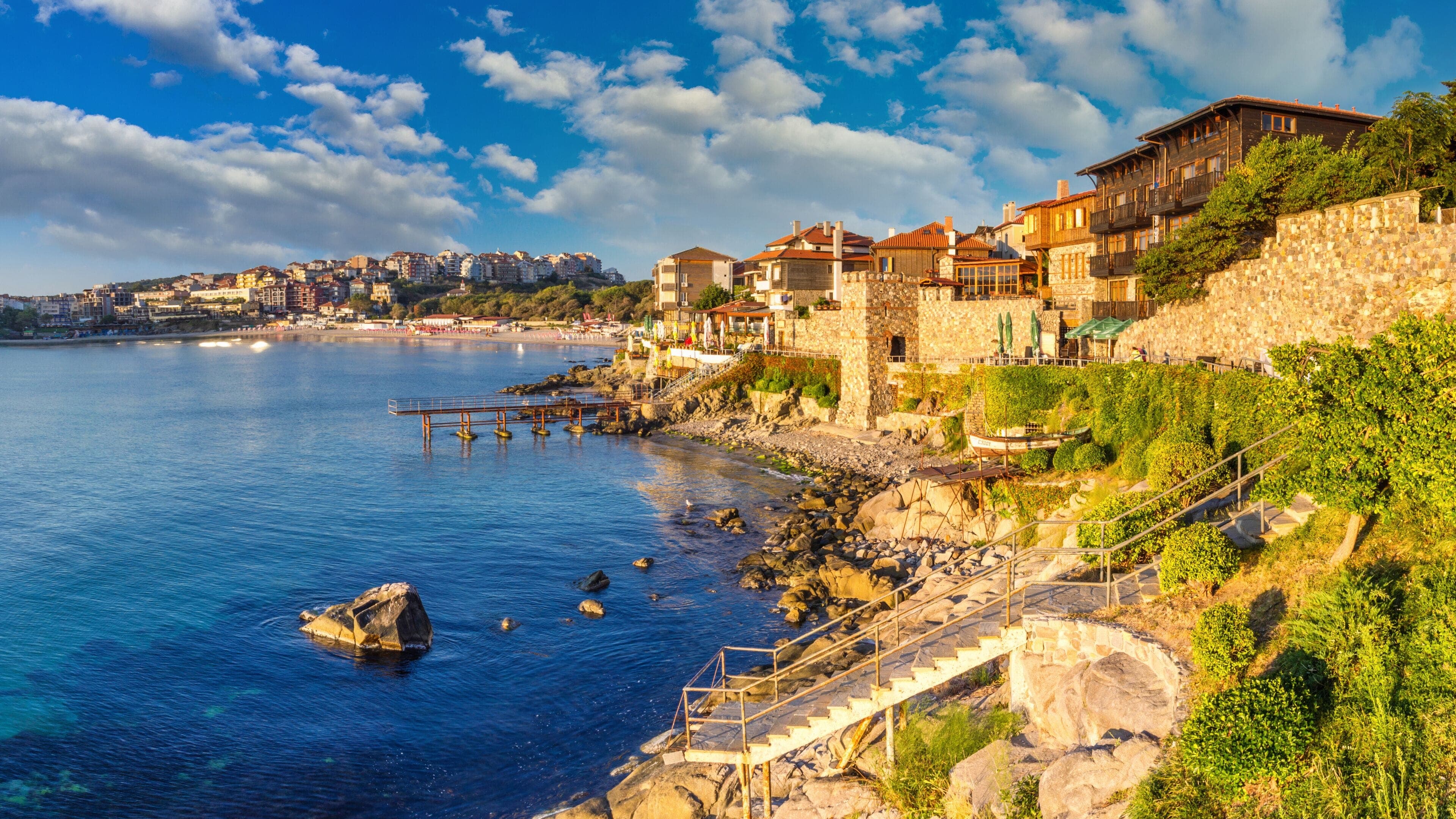
חוף הים השחור של בולגריה זה לא יוון. זה לא טורקיה. וזה בטוח לא ריביירה מלוטשת. זה 378 קילומטרים של חוף שמתחלקים בין עיירות עתיקות בני 3,000 שנה, אזורי מסיבות עם דיג'ייז מכל העולם, חופים פראיים שרק הישראלים עדיין לא גילו, וכמה מלכודות תיירים שכדאי להכיר לפני שנוחתים. המדריך הזה מרכז את כל מה שצריך לדעת.
במדריך הזה12 חלקים
נקודה חשובה: מ-1 בינואר 2026 בולגריה עברה לאירו. כל המחירים בחוף כבר באירו, ובחלק מהעסקים עדיין תראו גם לב (₤) לצד האירו בתקופת המעבר. כרטיסי אשראי עובדים כמעט בכל מקום, אבל בבתי קפה קטנים ובדוכני חוף כדאי לשמור קצת מזומן.
תוכן עניינים
- איך מגיעים ומאיפה טסים
- סאני ביץ': הלב הפועם של החוף
- נסבר: אתר אונסק"ו על חצי אי
- סוזופול: השקט הבוהמי של הדרום
- בורגס וורנה: ערי הנמל
- החופים הפראיים שלא יספרו לכם עליהם
- החוף עם ילדים: מה באמת עובד
- מסלול 7 ימים מושלם לחוף
- לוגיסטיקה: מתי, כמה, ואיך להגיע
- שאלות נפוצות
איך מגיעים ומאיפה טסים
לחוף הים השחור של בולגריה יש שני שדות תעופה בינלאומיים: בורגס (BOJ) בדרום וורנה (VAR) בצפון. הבחירה תלויה לאן בדיוק אתם הולכים. שדה התעופה של בורגס מקרב אתכם לסאני ביץ', נסבר, סוזופול ופומורי, כל אזור המפרץ הדרומי. שדה התעופה של ורנה מתאים יותר לגולדן סנדס, אלבנה, וארנה עצמה.
מתל אביב יש טיסות ישירות לורנה כל השנה (וויז אייר, ובעונה גם ישראייר ואל על), ולבורגס בעונת הקיץ (בלובירד וישראייר). את כל הפרטים ריכזנו במדריך טיסות לבולגריה. מי שנוחת בסופיה וממשיך ביבשה: המרחק מסופיה לבורגס הוא כ-380 ק"מ (כ-3.5 שעות נסיעה), ולורנה כ-440 ק"מ (כ-5.5 שעות). זו לא נסיעה קצרה, אבל הנוף משתנה דרמטית בין ההרים של מרכז המדינה לחוף, וזה חלק מהחוויה.
האופציה הנוחה ביותר היא להזמין העברה פרטית: נהג ישראלי דובר עברית, רכב ממוזג, ואפשר לעצור בדרך לאכול, לראות מקומות, או להמשיך ישר. מי שטס בקיץ ומתכנן להישאר שבוע בחוף, ההעברה שווה כל אגורה לעומת לסחוב מזוודות בתחבורה ציבורית.
סאני ביץ': הלב הפועם של החוף
סאני ביץ' (סלנצ'ב בריאג בבולגרית) זה הגרסה הבולקנית של אילת בחגים: 8 קילומטרים של חול זהוב, עשרות מלונות גבוהים, מועדוני חוף, וורה של בארים ומסעדות לאורך רחוב הפרחים (Flower Street). זה היעד הכי פופולרי של החוף הבולגרי, וגם הכי עמוס, הכי רועש, והכי זול יחסית.
למי סאני ביץ' מתאים
לצעירים שרוצים מסיבות על החוף עד הבוקר. למשפחות שמחפשות הכל במקום אחד: פארק מים, סופרמרקטים, בית קפה כל 20 מטר, חוף עם מצילים ומצליים. למי שרוצה חופשה "מתוכננת מראש" עם מינימום הפתעות.
למי זה פחות מתאים: זוגות שמחפשים שקט רומנטי, אנשים שלא אוהבים המולה, ומי שבא לחפש את "בולגריה האותנטית", כי בסאני ביץ' תשמעו יותר אנגלית בריטית מבולגרית.
מה לעשות בסאני ביץ'
Action Aquapark: פארק המים הגדול באזור, עם מגלשות לכל הגילים, נהר עצלן ופינת חיות. יום שלם של כיף לילדים מגיל 4 ומעלה.
Aqua Paradise בנסבר (5 דקות נסיעה): פארק המים השני של האזור, מעט שקט יותר.
מסיבות סירות: סירות מסיבה יוצאות מהמרינה כל ערב בעונה, עם DJ, בר פתוח, וכמה שעות בים.
קארטינג: מסלול קארטינג של 500 מטר עם מהירויות עד 80 קמ"ש, ליד רחוב הפרחים. מתאים לבני 12 ומעלה.
רכבת היבשה: רכבת תיירותית קטנה שנוסעת לאורך הטיילת. הדרך הכי פשוטה להסתובב עם ילדים קטנים בלי להתיש אותם.
האמת הלא-מפלסטרת על סאני ביץ'
בעונה (יולי ואוגוסט) החוף עמוס בצורה לא נעימה, ולפעמים קשה למצוא מקום להניח מגבת. המחירים בבארים של רחוב הפרחים מתנפחים פי 2 עד 3 מהמחיר ה"בולגרי האמיתי". חלק מהרחובות לא ממש נקיים בבוקר אחרי לילה של מסיבות. רוב התיירים שם הם בריטים צעירים שבאים ל-5 ימים של שתייה. האווירה מתאימה לחלק מהישראלים מצוין, ולאחרים פחות.
טיפ מעשי: אם בחרתם בסאני ביץ', שימו לב איפה בדיוק המלון. צפון סאני ביץ' (לכיוון סבטי ולאס) שקט יותר ומתאים למשפחות. מרכז סאני ביץ' זה ההמולה. דרום סאני ביץ' (לכיוון נסבר) מתאים לזוגות שרוצים קרבה לעיר העתיקה עם פחות רעש.
נסבר: אתר אונסק"ו על חצי אי
נסבר נמצאת 5 קילומטרים מדרום לסאני ביץ', על חצי אי קטן שמחובר ליבשה בשביל אבנים צר. יש לה 3,000 שנות היסטוריה, והיא אתר מורשת עולמית של אונסק"ו. קוראים לה "הפנינה של הים השחור", וזה לא שיווק, זה מדויק.
בעיר העתיקה תמצאו כנסיות ביזנטיות מהמאה ה-5, בתי עץ מפוארים מהמאה ה-19 שתלויים על צוקים מעל הים, ורחובות מרוצפים צרים עם דוכני אמנות ומזכרות. מומלץ להקדיש חצי יום מלא לסיור, ולהתחיל בבוקר לפני שהחום מכה ולפני שהקבוצות המאורגנות מגיעות.
מה חובה לראות בנסבר
כנסיית כריסטוס פנטוקרטור: אחת הכנסיות הביזנטיות היפות בעולם, חזית חיצונית עם דוגמאות גיאומטריות מדהימות.
כנסיית סנט סטפן: עם ציורי קיר מקוריים מהמאה ה-10.
טחנת הרוח: בכניסה לעיר העתיקה. הנקודה הכי פוטוגנית של נסבר, במיוחד בשקיעה.
החומות הביזנטיות: שרידי החומות מקיפים את חצי האי ומספקים נוף מהים אל העיר.
איפה לאכול בנסבר
הדייגים של נסבר מפורסמים במרק הדגים המסורתי שלהם. שווה לנסות אותו במסעדות המקומיות (לא באלה של הטיילת הראשית). Plakamoto במרכז העיר העתיקה הוא מקום נהדר לארוחה עם נוף לים, ו-White Rose ידועה במנות המסורתיות שלה כמו סארמי (עלי גפן ממולאים) וחזיר בתבלינים מקומיים.
טיפ: אחרי השקיעה העיר כולה מתרוקנת מטיולים מאורגנים והופכת לשקטה וקסומה. זה הזמן הכי טוב להסתובב בסמטאות.
סוזופול: השקט הבוהמי של הדרום
סוזופול נמצאת כ-60 ק"מ דרומית לנסבר, והיא האחות השקטה והעתיקה של אזור החוף. נוסדה במאה ה-7 לפני הספירה על ידי היוונים (השם המקורי היה אפולוניה), והיא היום בית ל-קהילה אמנותית תוססת, בתי עץ יפהפיים, ואווירה שלא תמצאו בשום מקום אחר על החוף הבולגרי.
העיר מחולקת לשני חלקים: העיר העתיקה על חצי האי, עם הבתים היפים והגלריות, והעיר החדשה (האריטי) עם חופי הרחצה הגדולים. המרחק ביניהן הוא 10 דקות הליכה.
למה ללכת לסוזופול
פסטיבל אפולוניה: כל קיץ, מסוף אוגוסט עד תחילת ספטמבר, העיר הופכת למוקד תרבות עם תיאטרון, מוזיקה, הצגות רחוב. אם אתם באזור בתקופה הזו, אל תפספסו.
החופים: חופי סוזופול קטנים יותר מסאני ביץ' אבל רבים מהם עם מצולות שקטות ומים נקיים יותר.
האוכל: דגים טריים, יין מקומי, ומחירים סבירים יותר מסאני ביץ'.
האווירה: אם סאני ביץ' זה אילת בחגים, סוזופול זה נווה צדק בסתיו. רחובות צרים, גלריות, בתי קפה קטנים, וזוגות שמחזיקים ידיים.
בורגס וורנה: ערי הנמל
שתי ערי הנמל של החוף הבולגרי הן יעדים בפני עצמן, ולא רק שערי כניסה. לכל אחת אופי משלה.
בורגס: הדרומית והמעשית
בורגס עם 200,000 תושבים היא העיר הרביעית בגודלה בבולגריה. היא לא "טיפוסית תיירותית": זו עיר בולגרית אמיתית עם חיים אמיתיים. זה בדיוק הקסם שלה. הטיילת של בורגס (Seaside Park) נמתחת על פני קילומטרים של גנים, פסלים, ובתי קפה לאורך הים.
מומלץ לילה או יומיים בבורגס אם אתם רוצים לראות את בולגריה האמיתית, ולא זו של התיירים. הדגש כאן על שווקים מקומיים, המוזיאון הארכיאולוגי, ואגם אתנסובסקו הסמוך עם מאות מיני ציפורים נודדות.
ורנה: הצפונית והתרבותית
ורנה (330,000 תושבים) היא העיר השלישית בגודלה בבולגריה וה"בירה הימית" שלה. היא תוססת יותר מבורגס, עם אוניברסיטאות, חיי לילה, ושוק רחב של מסעדות ובתי קפה. בוורנה יש:
- הדולפינריום של ורנה: הדולפינריום היחיד בבולגריה, פופולרי מאוד עם משפחות.
- המוזיאון הארכיאולוגי: עם "אוצר ורנה" בן 6,000 שנה, אחד מאוצרות הזהב העתיקים בעולם.
- גן הים: אחד הפארקים הגדולים באירופה, נמתח 8 קילומטרים לאורך החוף.
- גולדן סנדס וסנטה קונסטנטין: אזורי נופש צפונית לעיר, אלטרנטיבה טובה לסאני ביץ'.
 להזמנה אצלנו · טיולי יוםטיולי יום בבולגריהיוצאים בבוקר וחוזרים עד הערבלהזמנה
החופים הפראיים שלא יספרו לכם עליהם
אם כל מה שאמרתי עד כה נשמע לכם קלישאי ותיירותי מדי, יש לי חדשות טובות. החוף הבולגרי מלא חופים פראיים, שקטים ובלתי מפותחים, שרוב התיירים לא מגיעים אליהם.
איראקלי (Irakli): רצועת חוף של 3 ק"מ בשטח מוגן, צפונית לסאני ביץ'. חול זהוב, מים צלולים, ואפס פיתוח. פופולרי מאוד בקרב צעירים בולגרים שבאים לקמפינג. מגיעים ברכב בלבד, אין תחבורה ציבורית. שימו לב: חלק מהחוף נודיסטי לא רשמי, אז אם זה מפריע, תישארו בצד הצפוני.
אמונה (Emona): חוף מוסתר שדורש ג'יפ או טיול רגלי של שעה. ברגע שתגיעו, תהיו לגמרי לבד, עם נוף הררי מרהיב. הכי פחות מתויר בבולגריה.
שקורפילובצי (Shkorpilovtsi): החוף הארוך ביותר בחוף הים השחור הבולגרי, בין ורנה לבורגס. גם בעונה הכי חמה תמצאו לעצמכם 100 מטרים של חוף ריק.
קייפ אמין (Cape Emine): לא חוף, אבל שווה עצירה בשביל צוק בגובה 60 מטר מעל הים, שרידי מבצר ביזנטי, ונקודת תצפית מטורפת.
החוף עם ילדים: מה באמת עובד
בולגריה זה יעד ילדים-פרנדלי בטירוף: מחירים זולים, חופים רדודים ובטוחים, תרבות ידידותית לילדים, ואוכל שרוב הילדים אוהבים (שניצלים, פסטה, פיצה בכל פינה). אבל לא כל יעד בחוף מתאים לכל גיל.
לפעוטות ותינוקות (0 עד 3)
צפון סאני ביץ' או גולדן סנדס. חופים רדודים עם כניסה הדרגתית, הרבה חנויות וסופרמרקטים, קרוב למלונות. ההעברות מהשדה קצרות והרכב עומד בחוץ.
ילדים בגילים 4 עד 10
סאני ביץ' או נסבר, בגלל פארקי המים (Action Aquapark, Aqua Paradise), הדולפינריום בוורנה, ורכבת היבשה. יום פארק מים + יום נסבר + יום בריכה במלון = הרכב מנצח.
בני נוער (11 עד 17)
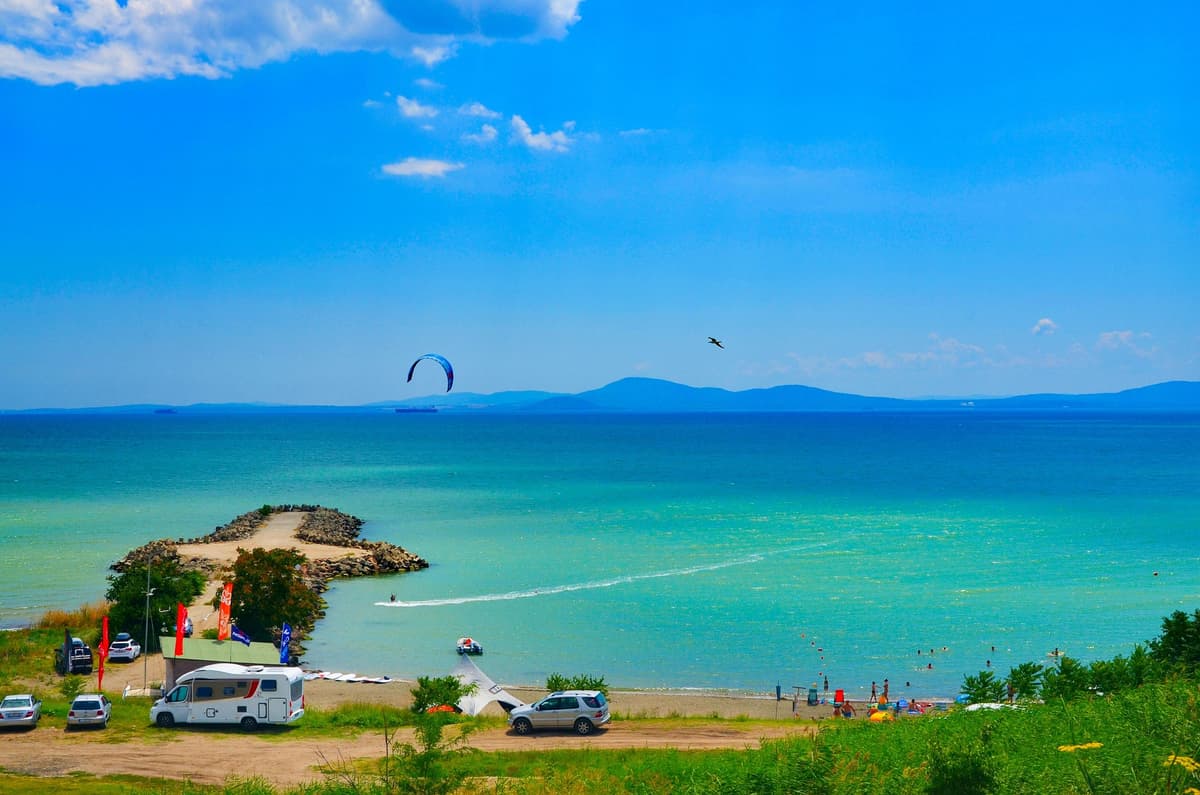
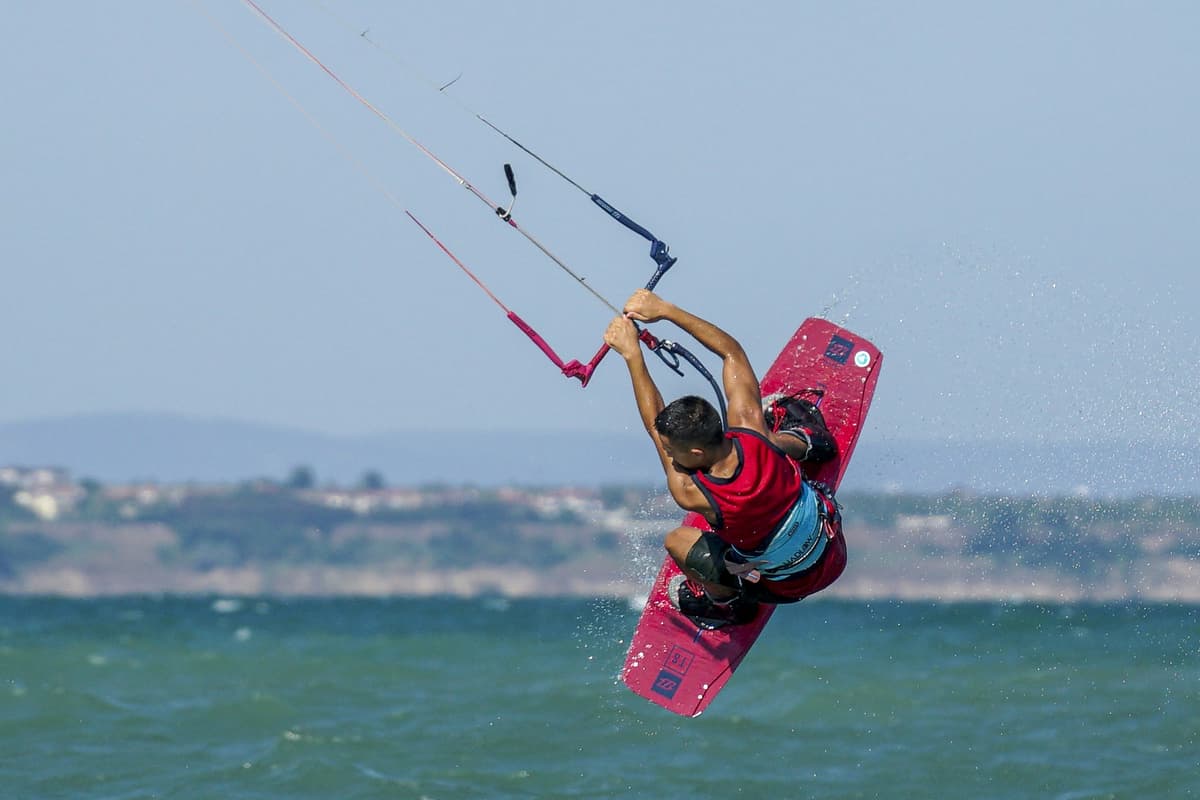
סוזופול או סאני ביץ' (תלוי אופי). סוזופול עם גלישה, קייטסרף, שקט ורומנטיקה של גיל ההתבגרות. סאני ביץ' עם חיי לילה צעירים, קארטינג, ומסיבות סירות לבני נוער.
קראו עוד על חופשה משפחתית בבולגריה: 5 מסלולים מוכנים.
מסלול 7 ימים מושלם לחוף
אם יש לכם שבוע בחוף ואתם רוצים לראות את כל הצדדים שלו, ולא רק לשכב על מגבת, זה המסלול:
יום 1: נחיתה בסופיה, העברה פרטית לבורגס (4.5 שעות עם עצירה בקאזנלאק לגלוטקה). לינה בבורגס.
יום 2: בוקר בשוק המרכזי של בורגס, אחה"צ בגן הים. ערב: מסעדת דגים במרינה.
יום 3: נסיעה לסוזופול (35 דקות). יום שלם בעיר העתיקה, חוף אחה"צ, שקיעה ברציף.
יום 4: נסיעה לנסבר (45 דקות). בוקר בעיר העתיקה (לפני שהמוני התיירים מגיעים), צהריים באיראקלי, ערב בסאני ביץ'.
יום 5: פארק מים (Action Aquapark או Aqua Paradise): יום שלם של כיף עם משפחה, או יום חוף רגוע אם אתם זוג.
יום 6: נסיעה לפומורי (30 דקות מסאני ביץ'): אגם המלח, קברים רומיים, ומנזר סנט ג'ורג' בגבעה. ערב אחרון חזרה לחוף.
יום 7: בוקר אחרון בחוף, העברה חזרה לסופיה לטיסה ביתה.
מי שרוצה לשלב קצת הרים עם הים, אפשר להוסיף 2 ימים בבנסקו בדרך חזרה לסופיה, זה מרחק של 4.5 שעות מבורגס.
לוגיסטיקה: מתי, כמה, ואיך להגיע
מתי הכי טוב
יוני ותחילת ספטמבר הם הזמן האידיאלי. טמפרטורות של 26 עד 28 מעלות, מי ים נעימים (כ-21 עד 23 מעלות), ופחות עומס מאשר ביולי ובאוגוסט.
יולי ואוגוסט הם השיא: הכי חם (29 עד 32 מעלות), הים הכי חמים (כ-24 עד 25 מעלות), הכי עמוס, והכי יקר. אם אתם באים עם ילדים בחופש הגדול, קחו בחשבון שצריך להזמין מלונות 2 עד 3 חודשים מראש.
מאי או סוף ספטמבר: יפים אבל המים קרירים (במאי הים עוד קר, ובסוף ספטמבר כ-21 מעלות). מתאים למי שבא לראות ופחות לשחות.
כמה זה עולה
בולגריה נחשבה זולה, ועדיין זולה יחסית לאירופה המערבית, אבל לא כמו שהיתה לפני 10 שנים. הערכות גסות לזוג ל-7 ימים בקיץ 2026:
- מלון 4 כוכבים בסאני ביץ': 60 עד 120 יורו ללילה לזוג
- ארוחה במסעדה: 30 עד 50 יורו לזוג (כולל אלכוהול)
- פארק מים: 25 עד 35 יורו למבוגר, 15 עד 20 יורו לילד
- מונית קצרה: 5 עד 10 יורו
- העברה פרטית מסופיה: לבורגס מ-299 יורו לרכב בכיוון אחד, לנסבר מ-321 יורו ולורנה מ-345 יורו (עד 4 נוסעים)
איפה לגור
אנחנו מציעים מגוון מלונות ברחבי בולגריה, כולל בסופיה, בנסקו ואזור החוף. אם אתם רוצים שנעזור לכם לתכנן את החופשה כולה, צרו איתנו קשר ונבנה לכם חבילה מותאמת.
שאלות נפוצות
כמה ימים מומלץ בחוף הים השחור?
מינימום 4 ימים בשביל להרגיש את האזור. 7 ימים זה הרכב מושלם: מספיק לראות את סאני ביץ', נסבר, סוזופול ובורגס בלי להתיש את הילדים. פחות מ-3 ימים? אל תטרחו, יותר שווה להישאר בסופיה או בנסקו.
האם מי הים השחור נקיים?
בדרך כלל כן. סאני ביץ' קיבלה את הדגל הכחול, וחופים רבים (כולל נסבר וסוזופול) נבדקים על ידי האיחוד האירופי. יש תנודות עונתיות, ובסוף אוגוסט יכול להופיע מזוזות (מדוזות קטנות) בחלק מהחופים. בדרום (סוזופול ודרומה) המים בדרך כלל שקופים יותר מבצפון.
האם מסוכן להשתזף לבד או עם ילדים?
בולגריה בטוחה מאוד לתיירים, כולל נשים שמטיילות לבד. בחופים הפופולריים יש מצילים בעונה. כמו בכל מקום תיירותי, לא להשאיר חפצים על מגבת כשנכנסים למים, ולשים לב לזרמים אם שוחים רחוק. לילדים, הים השחור רדוד מאוד ובטוח יחסית, אבל תמיד חובה מצילים וטביעה בקיץ.
האם יש אוכל כשר בחוף?
לא. אין מסעדות כשרות רשמיות באזור החוף. מי שמחפש אוכל כשר, הפתרון הוא מלונות עם מקררים, קניות בסופרמרקטים, ודגים טריים (שהם כשרים לפי רוב ההכשרים). בסופיה יש אפשרויות כשרות דרך בית חב"ד המקומי.
האם כדאי לשכור רכב או להשתמש בהעברות?
תלוי באופי שלכם. רכב שכור (60 עד 80 יורו ליום) נותן חופש מקסימלי ומאפשר להגיע לחופים הפראיים. העברות פרטיות נוחות יותר, פותרות חניה ודלק, ומתאימות למי שמתכנן להישאר באותו אזור. השילוב המנצח: העברה מסופיה לחוף, ואז רכב שכור ליומיים באמצע אם רוצים לחקור את החופים הפראיים.
השורה התחתונה
חוף הים השחור של בולגריה זה לא פריז ולא אמאלפי, ואסור לבוא לכאן עם ציפיות של יעד יוקרתי. מה שכן: זה חוף שלא נהרס על ידי מליוני תיירים (עדיין), עם היסטוריה אמיתית, עיירות קטנות עם נשמה, וחופים פראיים שאפשר למצוא בהם שקט אמיתי. המחירים עדיין סבירים, הים נקי, והאוכל טעים. אם מגיעים בידיעה שזה מה שיש, תהנו מאוד.
רוצים עזרה בתכנון החופשה? דברו איתנו, ונעזור לכם לבנות מסלול שמתאים לכם, עם העברות פרטיות, מלונות מומלצים, וטיולים יומיים בכל רחבי המדינה.
שתפו את המדריך