אוכל כשר בבולגריה: המדריך המלא למסעדות, סופרים וקהילה
מחפשים אוכל כשר בבולגריה? מדריך מלא למסעדות בסופיה, בנסקו וחוף הים השחור, מוצרים בטוחים בסופר המקומי, וסיפור הקהילה היהודית המרתק.

בולגריה הפכה ליעד חם לטיולים ישראלים: קצרה מטיסה, זולה מרוב אירופה, ויש בה שלג בחורף וים בקיץ. השאלה שכולם שואלים לפני שמזמינים: מה עושים עם האוכל? החדשות הטובות: ב-2026 כבר לא צריך לגרור קופסאות טונה במזוודה. בסופיה, בבנסקו ובחוף הים השחור יש אופציות אמיתיות לשומרי כשרות, והסופרים המקומיים מלאים במוצרים עם הכשרים בינלאומיים. הנה כל מה שצריך לדעת.
במדריך הזה6 חלקים
תוכן עניינים
- איפה אוכלים: אוכל כשר בבולגריה
- קניות בסופר: מה מותר ומה לא
- הקהילה היהודית: סיפור של גבורה
- טיפים של MakeYourTravel
איפה אוכלים: אוכל כשר בבולגריה
אוכל כשר בבולגריה מרוכז בשלושה אזורים עיקריים: סופיה (כל השנה), בנסקו (עונת חורף), וחוף הים השחור, בוורנה ובסאני ביץ' (עונת קיץ). המצב משתנה משנה לשנה, ומסעדות נפתחות ונסגרות בהתאם לביקוש של התיירות הישראלית.
הכלל החשוב ביותר: לפני שאתם מזמינים טיסה, תתקשרו. המקור הכי אמין למידע עדכני על אוכל כשר בבולגריה הוא חב"ד המקומי בכל אחד מהיעדים. הם יודעים מי פועל בעונה הנוכחית, מי סגור, ואיפה אפשר לארגן ארוחות שבת.
סופיה: לב הקהילה
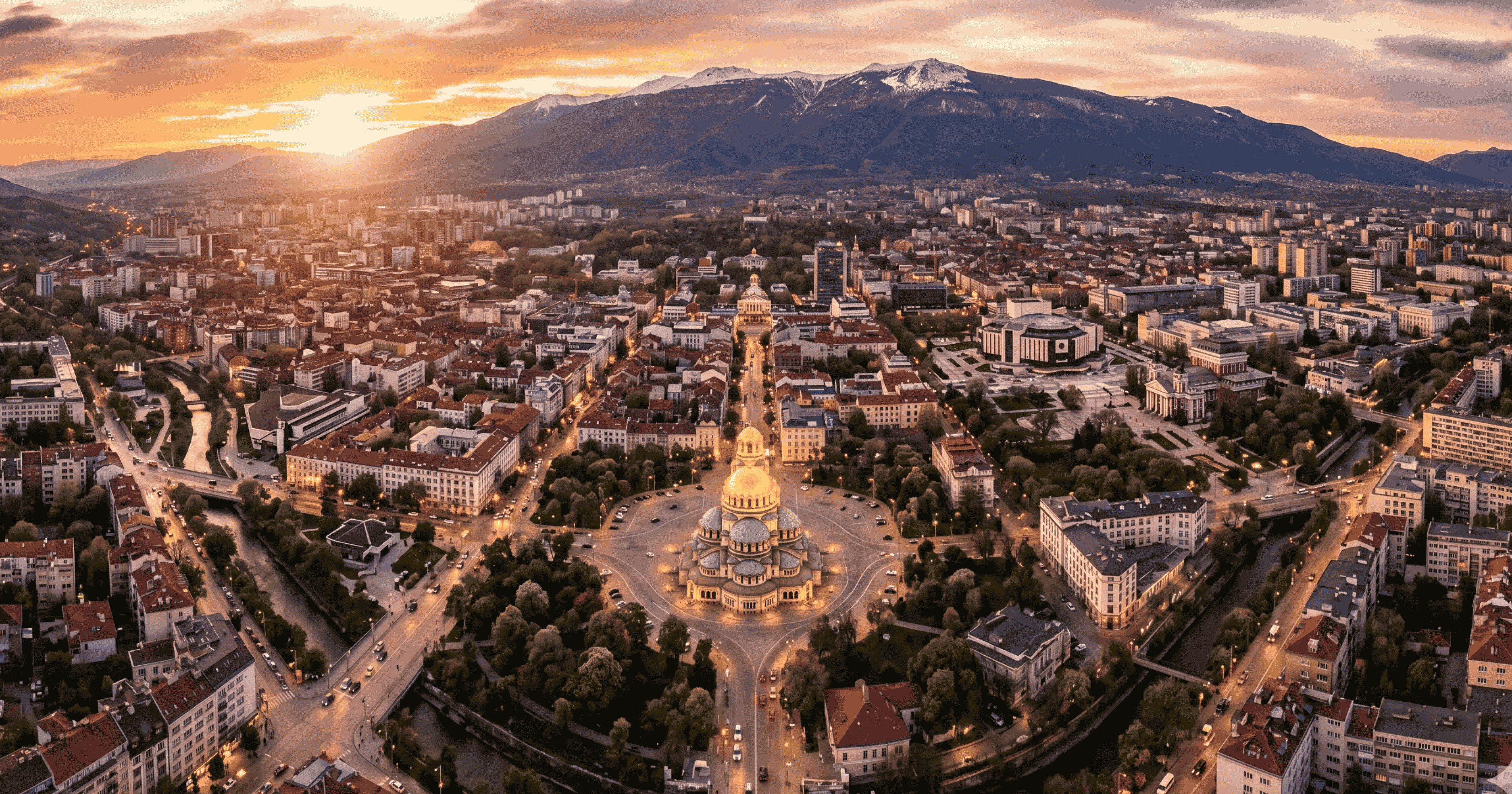
סופיה היא הבסיס הכי יציב לאוכל כשר בבולגריה, עם פעילות רציפה כל השנה. בסביבת בית הכנסת המרכזי של סופיה ובית חב"ד מתקיימת פעילות קהילתית סדירה, כולל אופציות לארוחות שבת ולארוחות במהלך השבוע. פרטים מדויקים על שעות, תיאום ותשלום מקבלים מהקהילה עצמה.
מה פתוח עכשיו: מסעדת קינג דייוויד בבית חב"ד, הביסטרו החלבי קושר פוינט ליד בית הכנסת, ובבית הכנסת המרכזי בשר, גבינות ויין כשרים. כתובות, שעות והרשמה לארוחות שבת במדריך מסעדות כשרות בסופיה.
בנסקו: הישראלים בשלג
בעונת הסקי (דצמבר עד מרץ), בנסקו מתמלאת בתיירים ישראלים, וחב"ד המקומי מפעיל שירותי כשרות בתיאום עם בתי מלון וקייטרינג. חלק ממלונות העיר מתמחים בארוח קבוצות דתיות עם חצי פנסיון או פנסיון מלא, אופציה נוחה למשפחות שרוצות פתרון כולל בלי להסתובב בין מסעדות עם ילדים בשלג.
אם אתם מתכננים חופשת סקי במשפחה, שווה לבדוק את הטיולים שלנו לבנסקו כולל שירותי הסעה וליווי בעברית.
ורנה וסאני ביץ': קיץ על הים השחור
בחודשי הקיץ (יוני עד ספטמבר), חוף הים השחור הבולגרי מתעורר לחיים עם תיירות ישראלית מסיבית. חב"ד פעיל גם בוורנה וגם בסאני ביץ', ומפעיל שירותי כשרות בעונה, בדרך כלל בשיתוף עם מלונות גדולים באזור. לפני ההזמנה, בררו ישירות מולם מה פועל בעונה שבה אתם מטיילים.
קניות בסופר: מה מותר ומה לא
ברוב הסופרים הבולגריים (Billa, Lidl, Kaufland, Fantastico) לא תמצאו מדף כשר ייעודי, אבל תמצאו הרבה מאוד מוצרים עם הכשרים בינלאומיים. הכלל הפשוט: תחפשו הכשר על האריזה, לא שלט על המדף.
הנה מה שבדרך כלל בטוח:
- משקאות: רוב מיצי הפירות הטבעיים, קוקה-קולה, ומים מינרלים. ביין, רק בקבוקים עם הכשר ברור.
- חטיפים ודגנים: מותגים בינלאומיים כמו Kellogg's, Nestlé, ו-Osem (במבה זמינה בסופרים הגדולים).
- מוצרי חלב: חמאה טהורה לרוב בסדר. לגבינות, תחפשו את המותג President או Philadelphia עם הכשר בינלאומי על האריזה.
- בסיסיים: אגוזים טבעיים, קטניות, פסטה בלי ביצה, ופירות וירקות טריים: זמינים בשפע ובאיכות מצוינת. בולגריה חקלאית, והתוצרת טובה.
שווה לדעת: על כל מוצר מיובא, תבדקו את האריזה מקרוב לפני שאתם קונים. לפעמים אותו מותג נמכר בבולגריה בגרסה שונה מהישראלית או האמריקאית, בלי הכשר.
 להזמנה אצלנו · אטרקציהמסע בסופיה: הרובע היהודי וסיפור ההצלההחל מ€45₪156€45$51£38להזמנה
הקהילה היהודית: סיפור של גבורה
אי אפשר לכתוב על יהדות בולגריה בלי לספר את הסיפור הזה. הקהילה היום קטנה (בין 2,000 ל-6,000 איש), אבל היא חיה, פעילה, ועם היסטוריה מדהימה.
בולגריה היא אחת המדינות הבודדות באירופה שהצילה את יהודיה בשואה. ב-1943, למרות שהיתה בת ברית של גרמניה הנאצית, העם הבולגרי, בהובלת הכנסייה האורתודוקסית וחברי פרלמנט, התנגד לגירושים. התוצאה: כמעט 50,000 יהודים בולגרים ניצלו.
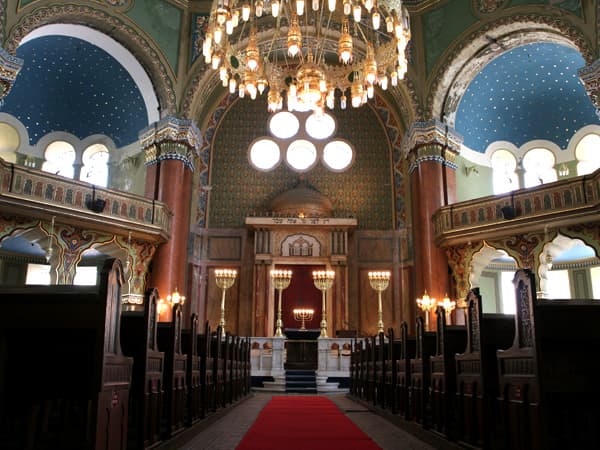
בית הכנסת של סופיה הוא בית הכנסת הספרדי השלישי בגודלו באירופה, ושווה ביקור גם אם אתם לא דתיים. הוא נמצא במה שהבולגרים מכנים "כיכר הסובלנות הדתית": מרחק הליכה ממנו עומדים כנסייה אורתודוקסית ומסגד, הכל בתוך כמה מאות מטרים. זה אולי ההסבר הכי טוב לאופי של בולגריה של היום: מדינה שבה הרוב בולגרים נוצרים, עם מיעוטים של טורקים מוסלמים, יהודים, ארמנים ורומים, שחיים יחד בלי סיפורים.
אם אתם מתכננים סיור בסופיה, האטרקציות שלנו בסופיה יכולות להיות פתיחה מצוינת לטיול.
טיפים של MakeYourTravel
- התקשרו לחב"ד המקומי לפני שאתם טסים. זה המקור הכי מעודכן למה שפועל בעונה הנוכחית. אתרי אינטרנט וביקורות ישנות מתיישנים מהר.
- הביאו רזרבה ליום הראשון. גם אם הכל פתוח, יום הנחיתה תמיד כאוטי. תיק עם אוכל יבש לארוחה הראשונה שווה זהב.
- מלון עם מקרר ומיקרוגל שווה את ההשקעה. אם אתם מתכננים שבוע בבנסקו או בוורנה, חדר עם מטבחון פותר 70% מהכאב ראש של אוכל כשר.
- את שישי ושבת תכננו מראש. ארוחות שבת בבולגריה לרוב מתואמות דרך חב"ד המקומי, ודורשות הרשמה מוקדמת.
- הסופר הוא החבר שלכם. אפילו בבנסקו ובסאני ביץ' יש סניפי Lidl ו-Billa מסודרים. אפשר לסגור שבוע שלם עם קניות חכמות בסופר ובישול בחדר.
המסקנה
לטייל כשר בבולגריה ב-2026 זה כבר לא פרויקט, זה תכנון של שעה. יש מסעדות, יש סופרים, יש קהילה, ויש מי לדבר איתו בעברית בשטח. מה שחשוב זה לסדר את הפרטים הקטנים לפני הטיסה, לא אחריה.
ב-MakeYourTravel אנחנו עוזרים לישראלים לתכנן טיולים לבולגריה כל השנה, כולל חיבור למסעדות כשרות, מלונות ידידותיים, והסעות בעברית. דברו איתנו ונסדר לכם טיול שכיף לאכול בו.
שאלו בקבוצה
מה חברי קבוצת הפייסבוק שלנו שואלים על הנושא, עם התשובה שלנו.
יש סיורים מודרכים בעברית בסופיה?
כן, ויש יותר מאחד. הסיור של ניסים הוא סיור רגלי עם טעימות בהדרכה מלאה בעברית, בין השווקים, הכנסיות, המסגדים וההיסטוריה היהודית של העיר. הסיור של סטלה עובר בעברית בין חורבות רומיות, מסגדים עות'מאניים וכנסיות מימי הביניים. שניהם נמשכים 2 עד 4 שעות.
יש אוכל כשר ושבת בסופיה?
כן, עם קצת תכנון. בית חב״ד בסופיה מארגן סעודות שבת לתיירים בהרשמה עד יום חמישי ב-12:00, ופועלת בו מסעדת קינג דיוויד בכשרות למהדרין (תוודאו שהיא פתוחה בתאריכים שלכם). בבית הכנסת המרכזי נמכרים יין, גבינות, עוף ובשר כשרים, והוא סגור למבקרים בשבת.