
Spring in Bulgaria: Red Ribbons, Rose Valleys, and Ancient Traditions
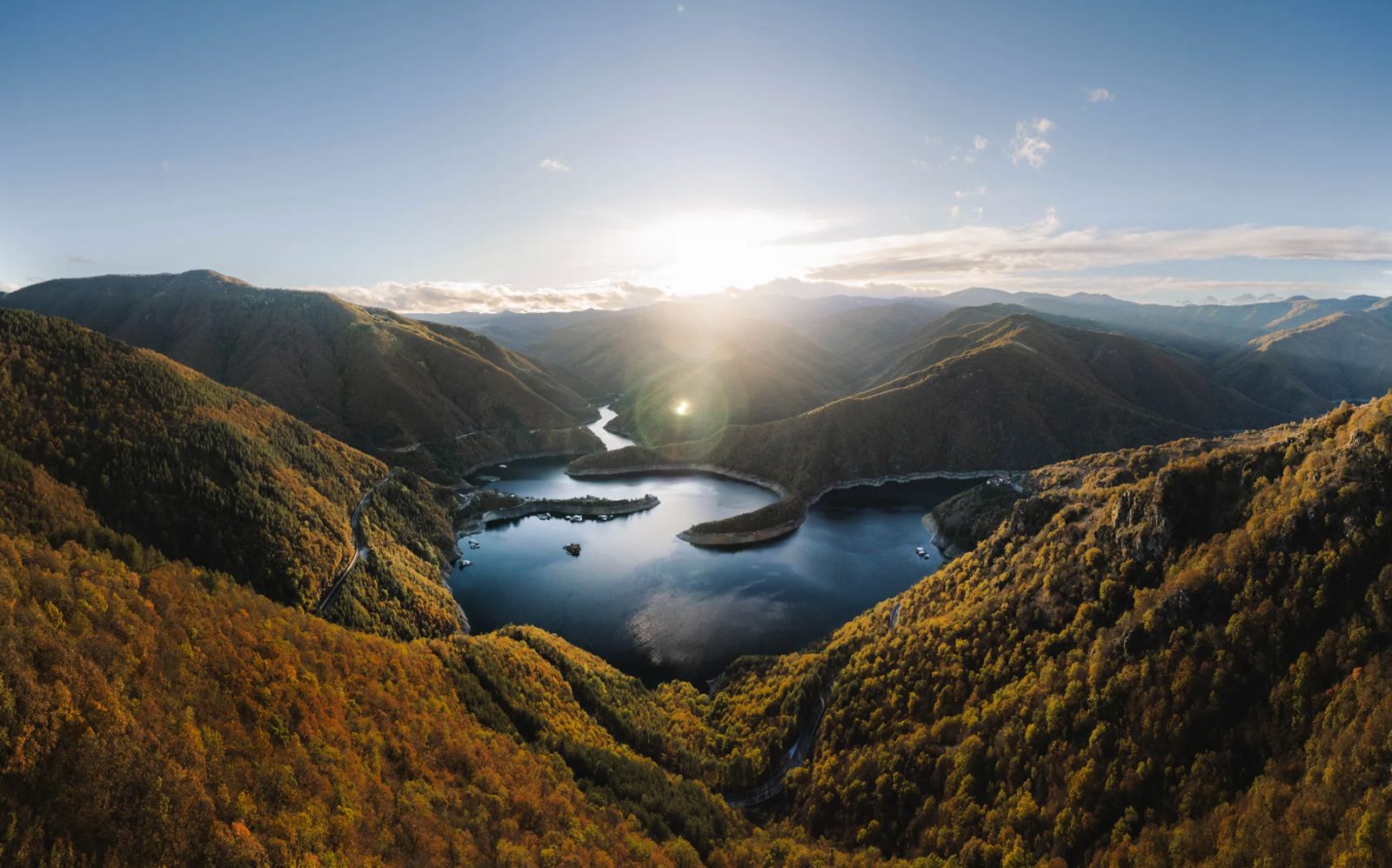
Spring in Bulgaria is not just a change in weather; it is a profound cultural awakening. As the snow melts from the peaks of the Rila and Pirin mountains, the country transforms into a vibrant canvas of green valleys and blooming orchards. For travelers, visiting between March and June offers a unique glimpse into ancient soul-stirring traditions that have survived for millennia.
The Legend of Baba Marta: Wearing the Red and White
If you visit Bulgaria on March 1st, you will see everyone—from babies to bus drivers—wearing red and white silk threads called Martenitsa. This is the celebration of "Baba Marta" (Grandmother March), a mythical figure whose temperamental moods represent the changing spring weather.
The white represents purity and new life, while the red symbolizes health and fertility. Traditionally, you wear your Martenitsa until you see the first sign of spring—usually a blossoming tree or a returning stork. Once spotted, you tie your ribbon to a flowering branch to ensure a fruitful year. It is a beautiful, nationwide flash-mob of hope that colors every city street in red and white.
The Valley of Roses: A Sensory Masterpiece
Late spring (late May to early June) marks the peak of Bulgaria’s most famous export: Rose Oil. Bulgaria produces nearly 70% of the world's rose oil, and the Rose Valley near Kazanlak becomes a global destination during this time. The air in the entire region becomes thick with the scent of the Rosa Damascena.
The annual Rose Festival is a spectacle of folklore dances, traditional picking rituals, and the crowning of the Queen of Roses. For tourists, participating in an early morning rose-picking session is a bucket-list experience that connects you directly to the land and its history.
Easter in Bulgaria: Red Eggs and Kozunak
Orthodox Easter is the most significant religious event of the spring. Unlike Western traditions, the focus here is on the "egg fight." After the midnight service, family members tap their dyed red eggs against each other; the person whose egg remains unbroken is said to have the best health for the coming year. Be sure to visit a local bakery to try Kozunak, a sweet, braided citrus bread that is the centerpiece of every Bulgarian spring table.
Nature and Hiking: The Best Spring Destinations
- The Seven Rila Lakes: While the higher paths may still have patches of snow in early spring, the lower trails offer breathtaking views of rushing waterfalls fed by the spring melt.
- Plovdiv: The "City of Seven Hills" is at its most beautiful in April, with mild temperatures (averaging 18°C - 22°C) perfect for walking the cobblestone streets of the Old Town.
- The Rhodope Mountains: Ideal for birdwatching and seeing the rare spring flowers that only grow in this specific Balkan climate.
Why Visit Now?
Spring is the "sweet spot" for Bulgarian tourism. You avoid the heavy crowds of the summer beach season and the high prices of the winter ski resorts. Flight prices to Sofia and Plovdiv are typically 30% lower than in July, and the hospitality is at its peak as locals celebrate the return of the sun. Whether you are a solo hiker or a family looking for cultural immersion, spring in Bulgaria offers a sense of renewal you won't find anywhere else.
Share this article with your friends: