
The Rescue of the Bulgarian Jews: A Unique Chapter of WWII History
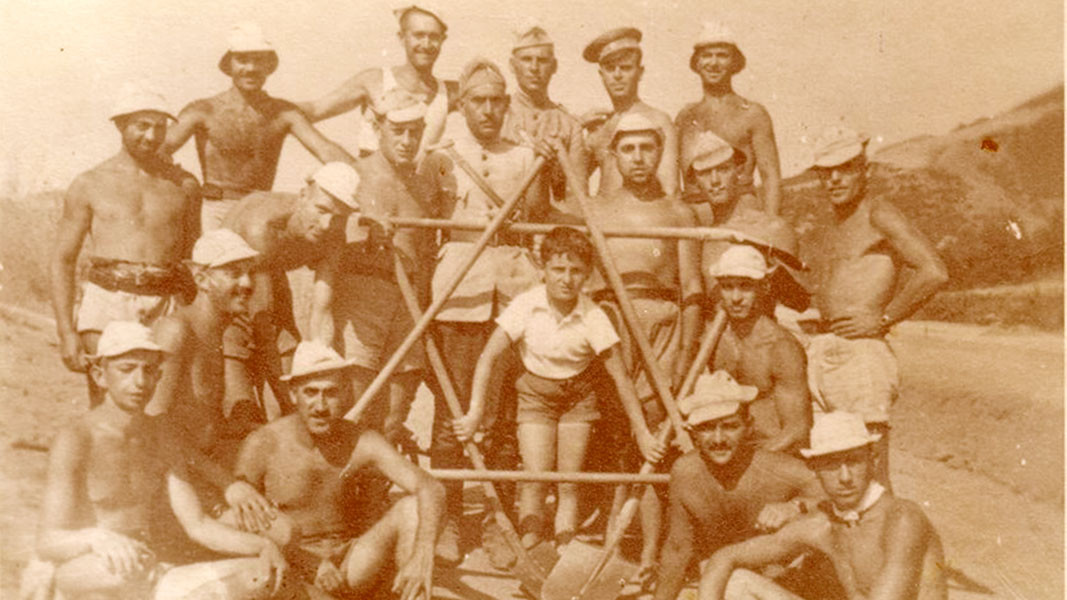
The history of the Jewish community in Bulgaria is one of the most remarkable and moving narratives of the Second World War. While much of Europe fell silent during the Holocaust, Bulgaria became the site of a unique historical phenomenon: the collective rescue of its Jewish population. Today, travelers to Sofia, Plovdiv, and Kyustendil can walk the "Path of Gratitude" to understand how a nation defied the darkness of the 1940s.
A Community Integrated: Sephardic Roots
Before the war, Bulgaria was home to approximately 48,000 Jews, mostly Sephardic, who had lived in harmony with their Bulgarian neighbors for centuries. They were deeply integrated into the social and economic fabric of cities like Sofia and Plovdiv. However, with the outbreak of WWII and Bulgaria’s alliance with the Axis powers in 1941, the "Law for the Protection of the Nation" was passed, stripping Jewish citizens of their rights and forcing them to wear the Yellow Star.

The Turning Point: 1943
The defining moment came in March 1943, when secret orders were issued for the deportation of Bulgarian Jews to the death camps. As the trains waited at the stations, an extraordinary wave of resistance rose from every level of Bulgarian society. Dimitar Peshev, the Deputy Speaker of Parliament, risked his career to protest the orders. The Bulgarian Orthodox Church, led by Metropolitans Kiril and Stefan, threatened to lie down on the railroad tracks to stop the trains.
Faced with pressure from politicians, the Church, and ordinary citizens—many of whom sheltered their Jewish friends—the deportation of Jews from the "Old Kingdom" of Bulgaria was cancelled. This act saved nearly 50,000 lives, making Bulgaria one of the few countries under Axis influence where the Jewish population actually increased during the war.
The Tragic Context: The Thracian and Macedonian Jews
To provide an accurate historical perspective, it must be noted that Bulgaria’s rescue story has a somber shadow. While the 48,000 Jews within Bulgaria’s pre-war borders were saved, over 11,000 Jews from the territories of Thrace and Macedonia (then under Bulgarian administration) were deported. This remains a sensitive and painful part of the regional history, often commemorated alongside the rescue story to ensure the full truth is remembered.

Sites to Visit Today
- Sofia Central Synagogue: The largest Sephardic synagogue in Europe and a stunning architectural masterpiece. It houses a small but powerful museum dedicated to the rescue.
- The Monument of Thanks (Plovdiv): Located in the heart of the city, this monument was erected by the Jewish community to thank their fellow Plovdiv citizens for stopping the 1943 deportations.
- Dimitar Peshev Museum (Kyustendil): The former home of the politician who led the parliamentary revolt against the deportations, now a museum telling the story of the 1943 events.
A Legacy of Tolerance
Today, Bulgaria’s Jewish community is small (estimated at around 2,000–6,000 people), as many immigrated to Israel after the war. However, the spirit of "Tolerance"—a word you will see often in Bulgarian museums—remains a source of national pride. For Jewish travelers and history enthusiasts, a trip to Bulgaria is a journey to find light in one of history’s darkest hours.
Share this article with your friends: