
The Balkan Peninsula: A Time-Traveler’s Guide to Europe’s Wild Heart
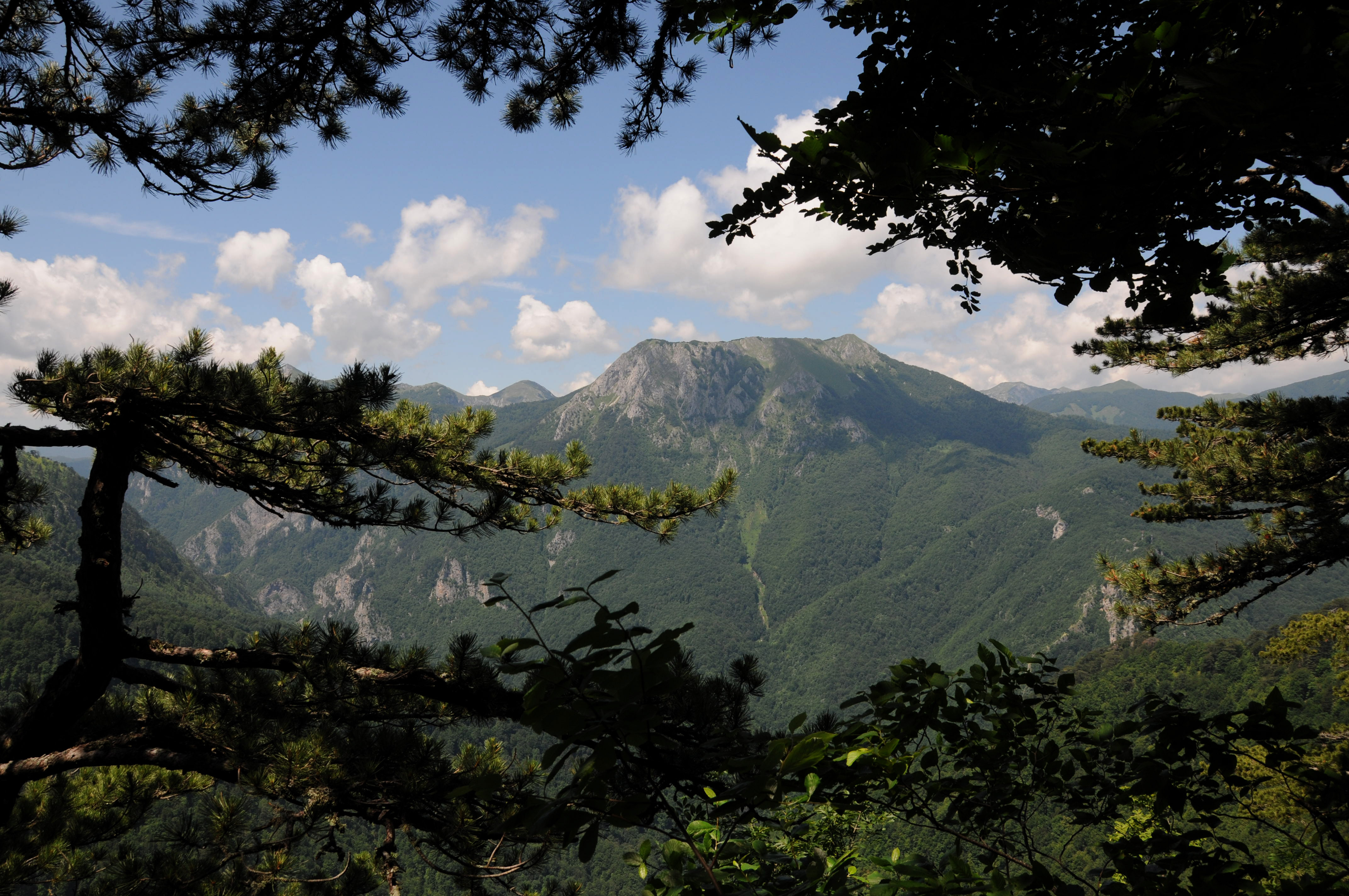
If the European continent were a long-running TV drama, the Balkan region would undoubtedly be the lead character—complex, slightly mysterious, and always at the center of the action. Tucked away in Southeastern Europe, this peninsula is much more than just a spot on a map; it is a vibrant mosaic of cultures, empires, and breathtaking landscapes that have shaped the world as we know it today.
But how did we get from ancient chariots to the modern, sun-drenched beaches of Varna or the snowy peaks of Bansko? Buckle up, because the history of the Balkans is a wild ride through time.
The Cradle of Legends and Emperors
Long before the first tourist ever set foot in a Bulgarian "Mehana," the Balkans were the ultimate real estate. This region served as the bridge between Europe and Asia. Thousands of years ago, the Thracians—fierce warriors and incredible goldsmiths—called the lands of modern-day Bulgaria home. Did you know that the oldest processed gold in the world was found right here in the Varna Necropolis? We’re talking about 4,600 BCE!
Then came the Romans. They loved the Balkans for their strategic mountain passes and healing mineral springs (many of which you can still soak in today in towns like Sapareva Banya). For centuries, cities like Serdica (modern-day Sofia) were so important that Emperor Constantine the Great famously said, "Serdica is my Rome!"
The Great Empire Tug-of-War
The Middle Ages turned the Balkans into a grand stage for the First and Second Bulgarian Empires, which at their peaks, stretched from the Black Sea to the Adriatic. This was the golden age of Slavic culture and the birth of the Cyrillic alphabet—a gift from Bulgaria to the rest of the Slavic world.
However, the 14th century brought a massive shift. The Ottoman Empire swept through the region, beginning a 500-year chapter that deeply influenced the food, architecture, and music of the Balkans. This is why you’ll find a beautiful mix of Orthodox churches standing just a few blocks away from Ottoman-era mosques and Roman ruins in the heart of Sofia.
The Modern Awakening
The 19th century was the "Age of Enlightenment" for the Balkans. National heroes fought for independence, leading to the birth of the modern states we know today. After the complexities of the 20th century, including the World Wars and the Communist era, the region has emerged as one of the most exciting travel destinations in the world.
Today, the Balkans—and Bulgaria in particular—are a blend of that deep history and a fresh, modern energy. You can spend your morning exploring a 1,000-year-old monastery and your evening at a high-tech rooftop bar overlooking the city skyline.
Why This History Matters to Your Journey
Today, Bulgaria is a vibrant cultural crossroads. The modern nation is a fascinating demographic mosaic—comprised of approximately 85% ethnic Bulgarians, 8.8% Turks, and 4.9% Roma. This diversity isn't just a statistic; it’s the secret ingredient in the local flavors, the music you’ll hear in the squares, and the warm, multi-layered hospitality that greets you at every stop. By knowing the past, you don't just see the sights—you truly feel the soul of the region.
Share this article with your friends: