
Rose Valley Bulgaria: The Complete Travel Guide
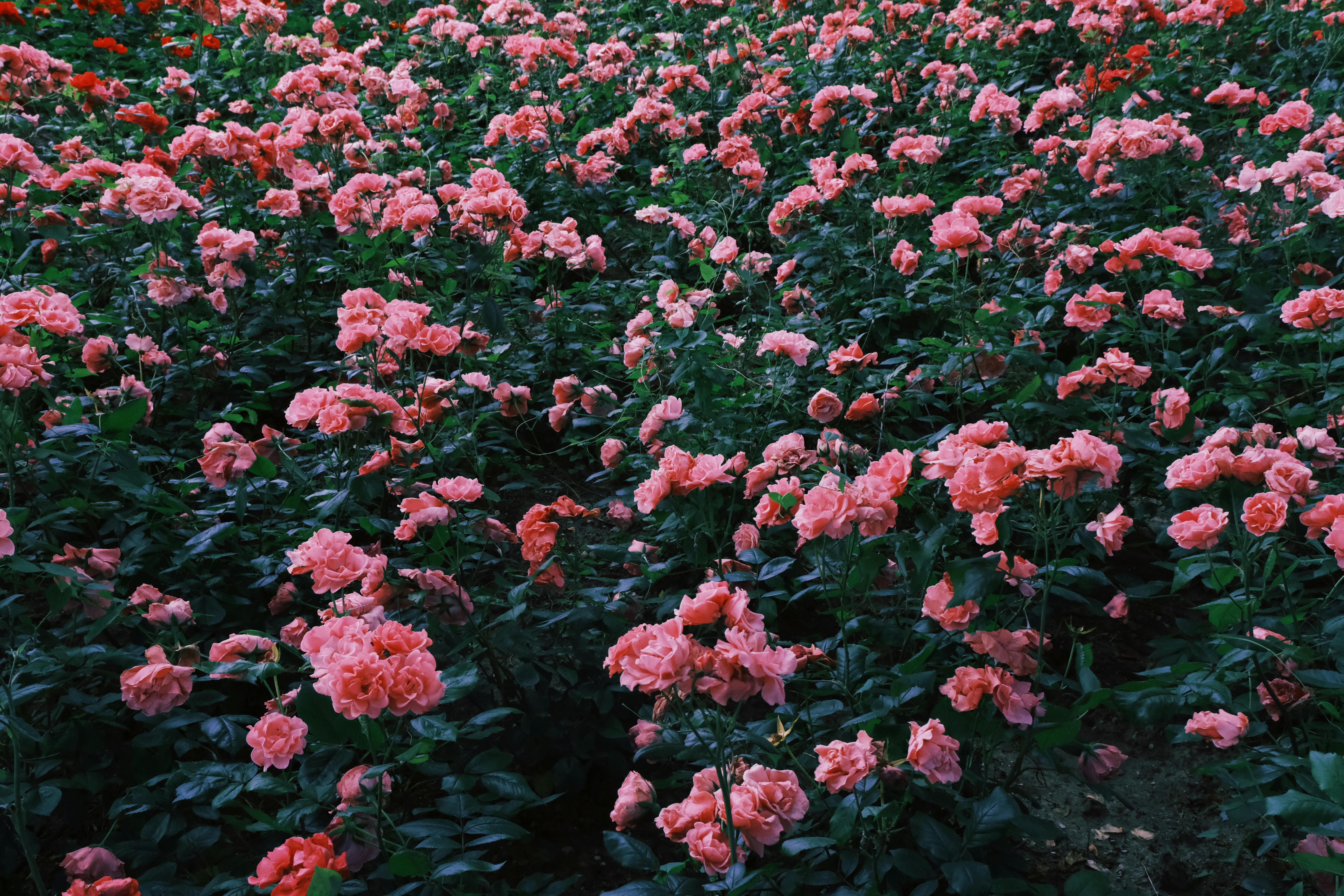
Every bottle of Chanel No. 5, Lancôme, or Dior perfume you've ever owned contains rose oil grown in a single valley in central Bulgaria. The Rose Valley — Rozova Dolina — produces around 85% of the world's natural rose oil, harvested by hand before sunrise every May, from a particular strain of Damascus rose that found its perfect home here three centuries ago. France sells the perfume. Bulgaria grows the flowers.
The Rose Valley isn't Bulgaria's most famous attraction, but it might be its most singular. There is nowhere else on earth where you can walk between flowering rose fields at dawn, visit a working distillery, and buy authentic rose oil at a fraction of what it costs anywhere else in the world. Whether you're visiting during the May bloom or outside of it, the valley and its surroundings are worth the detour.
Currency note: Bulgaria adopted the Euro on January 1, 2026. All prices in this article are in Euros. Credit cards are accepted at hotels, museums, and larger distilleries. For rural markets and smaller cafés, carry some cash.
Table of Contents
- What is the Rose Valley?
- The Rose Festival — When and What to Expect
- Kazanlak and What to Do There
- What Else to See Nearby
- Getting There and When to Visit
- Planning Notes for International Visitors
- Frequently Asked Questions
What Is the Rose Valley?
The Rose Valley is a geographical corridor nestled between the Balkan Mountains to the north and the sub-Balkan ridge to the south, stretching roughly 150 kilometres from the town of Kazanlak in the east to Karlovo in the west. The valley floor sits at around 350-450 metres elevation — a microclimate of morning mists, sheltered from cold winds, with mineral-rich soil that turns out to be uniquely suited to Rosa damascena, the Damascus rose.
The Damascus rose was brought here from Turkey around the 17th century and settled in as if it had always belonged. Bulgarian rose oil — known in the industry as "rose otto" — is the benchmark against which all other rose oils are measured. Perfumers refer to Bulgarian rose by origin the same way sommeliers refer to Burgundy by appellation. To produce one kilogram of rose oil requires 3-4 tonnes of flowers, harvested by hand between 4am and 10am before the heat evaporates the essential oils. A single millilitre of genuine Bulgarian rose otto sells at €600-€1,200 wholesale. You'll understand why once you've smelled it.
The Rose Festival — When and What to Expect
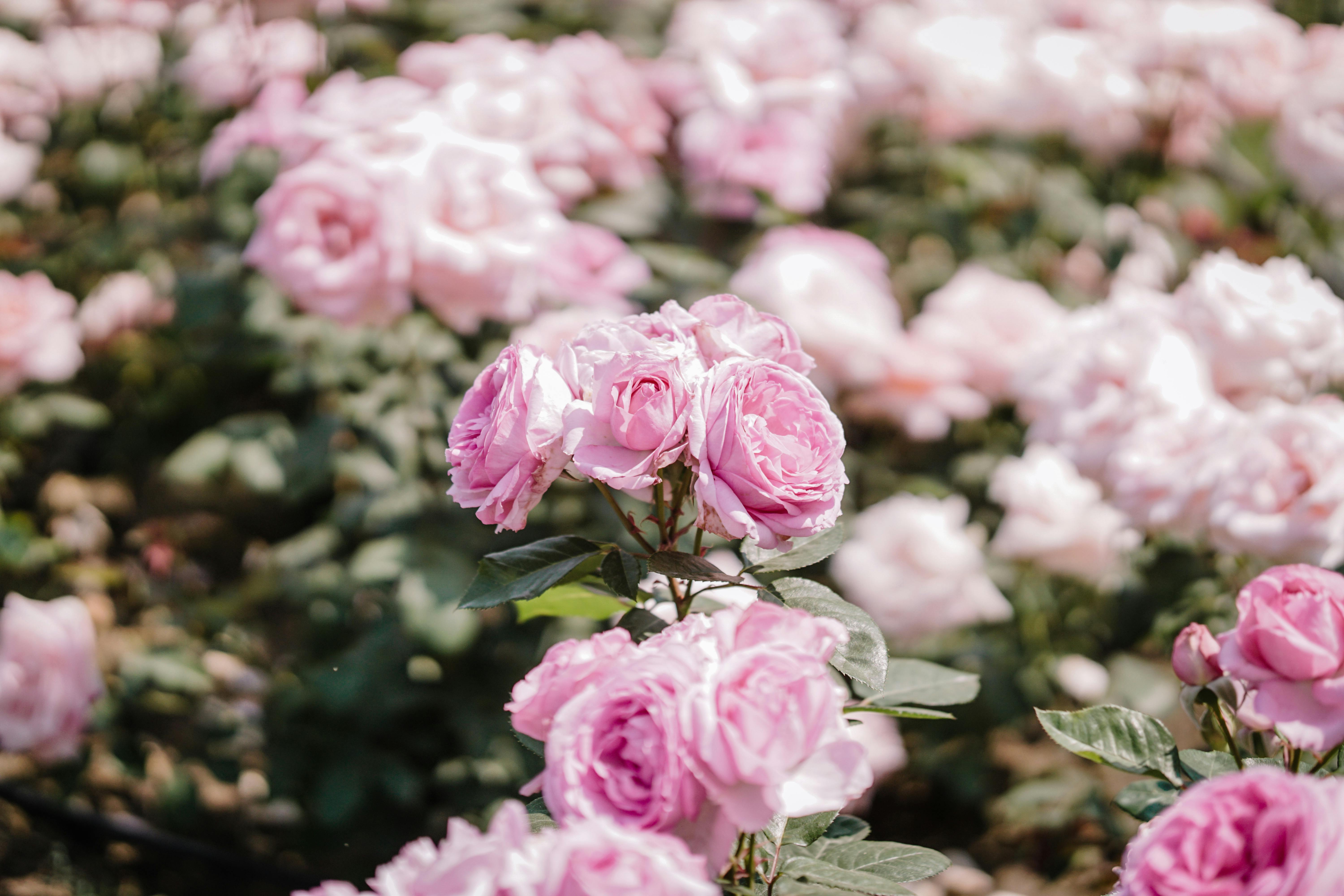
The Rose Festival (Розов Фестивал) takes place annually in Kazanlak, typically in the first week of June. The exact dates shift by a few days year to year depending on the bloom — always check the confirmed dates before booking flights.
What the festival includes
The festival centres on a traditional rose-picking ceremony in the fields at dawn, followed by the crowning of a "Rose Queen" — a local girl chosen as an ambassador for the region. There are folk dances, outdoor concerts, local food stalls, and a market of rose products. The genuinely unmissable part: arriving at a picking field between 5am and 7am before the crowds. Several distilleries offer guided morning tours with hands-on picking. Book these in advance — they fill up weeks before the festival.
Visiting outside of bloom season
Bloom season runs from mid-May to early June only. Outside this window, the fields are green rather than pink and the distilleries are not processing flowers. The Rose Museum, Thracian tomb, Shipka Pass, and surrounding monasteries are all open year-round and worth visiting in any month.
Kazanlak — The Valley's Main Town
Kazanlak is the main town of the Rose Valley and the starting point for most visits. It's a real Bulgarian town — not touristy, not overly polished — with a central square, good local restaurants, and a rhythm that slows down considerably from Sofia or Plovdiv.
What to do in Kazanlak
- Iskra Museum of Rose and Oil Distillation — The comprehensive ethnographic museum covering the history of the rose industry, traditional distillation equipment, and the economics of rose oil production. Entrance: €3-5. Worth the two hours.
- Thracian Tomb of Kazanlak (UNESCO) — A 4th-century BC burial chamber with extraordinary painted murals, considered one of the finest examples of ancient Thracian art. The original tomb is sealed for preservation, but there's an excellent full-scale replica immediately adjacent. Entrance: €5.
- Rose distillery visit — Several distilleries near Kazanlak accept visitors. The Rose Valley Distillery is well-regarded and close to town, offering guided tours with product sampling. During bloom season, you may be able to observe live distillation — this is genuinely fascinating and relatively rare.
- Rose product market — Available in shops around the central square year-round, and in a larger open market during festival season. What's worth buying: rose water (floral water / hydrosol) at good prices, basic cosmetics. What to be careful with: "rose oil" sold in large cheap bottles — Bulgarian rose oil does not come cheap. Buy direct from a distillery.
Shipka Pass and Memorial Church
Thirty minutes by car from Kazanlak, Shipka Pass was the site of one of the decisive battles of the Russo-Turkish War of 1877-78, where Bulgarian and Russian forces held off a much larger Ottoman army and effectively secured Bulgarian independence. The Memorial Church of the Birth of Christ, built on the site with Russian funds, is striking — gold domes visible from kilometres away. The views from the summit are among the best in Bulgaria. In winter, there's a small, quiet ski area below the pass.
What Else to Combine in the Region
The Rose Valley sits at convenient distances from several other worthwhile destinations:
- Plovdiv — 75 minutes by car. Bulgaria's cultural capital, with a beautifully preserved old town, Roman amphitheatre, galleries, and a more cosmopolitan restaurant scene. Read our Plovdiv guide.
- Bachkovo Monastery — On the road between Kazanlak and Plovdiv. An 11th-century monastery, one of Bulgaria's largest and most impressive. Worth stopping for an hour.
- Sofia — 2.5 hours west. Doable as a day trip from the capital, or as part of a Sofia–Rose Valley–Plovdiv arc that covers three of Bulgaria's most distinct experiences in 3-4 days.
- Black Sea Coast — About 3 hours east. Possible to combine the Rose Valley as a stopover on a longer trip toward Varna or Burgas.
Getting There and When to Visit
From Sofia
The most comfortable option is a private transfer from Sofia to the Rose Valley — around 2.5 hours with the option to stop at Shipka on the way. There are trains from Sofia (requiring a change in Plovdiv, total journey 3+ hours) and buses, but for a day trip, a private transfer is significantly more convenient and allows you to set your own pace.
From Plovdiv
75 minutes from Plovdiv by car. A logical pairing: fly into Sofia, travel to the Rose Valley, continue to Plovdiv, return from Plovdiv. Or build a private transfer from Plovdiv into a full day combining both.
When to visit
- Mid-May to early June (bloom season): The essential visit if you want to see the rose fields in flower and distilleries in operation. Higher prices and more visitors — book accommodation in advance, especially during festival week.
- September to October: Excellent weather, autumn colours in the mountains, fewer tourists, lower prices. No roses, but beautiful hiking around Shipka.
- December to March: Quiet, occasionally snowy. Shipka has a small ski area. Not the primary season for most visitors, but it has a particular atmosphere.
How long to spend
A full day covers the key points: a distillery, Kazanlak town, and Shipka Pass. Two to three days allows you to move more slowly — visiting smaller rose villages, hiking in the Balkan Mountains, and exploring the region at a pace that suits it better than a one-day rush.
Planning Notes for International Visitors
Getting to Bulgaria
Sofia Airport is the main international gateway. Direct flights operate from London (Heathrow, Gatwick, Stansted), Amsterdam, Vienna, Frankfurt, Paris, and numerous other European cities — typically 2-3 hours from Western Europe. From North America, most connections route through a European hub.
Visas
Bulgaria is a member of the EU and Schengen Area. EU/EEA passport holders and citizens of many other countries (including the US, UK, Canada, Australia) can enter visa-free for up to 90 days. Check current requirements for your specific nationality before travelling.
Cost comparison
The Rose Valley is significantly cheaper than comparable experiential destinations in Western Europe. A distillery tour: €10-20. A good restaurant meal: €12-20 per person. A mid-range hotel in Kazanlak: €45-80 per night. For context, a comparable wine-country experience in Tuscany or Provence would cost two to three times as much for accommodation and dining.
English language
In Kazanlak specifically, English is spoken at a basic level in most tourist facilities. The larger distilleries that cater to international visitors have English-speaking staff. Away from the main attractions, Bulgarian or Russian is useful. Having a translation app ready is sensible.
Currency and payment
Bulgaria adopted the Euro on January 1, 2026. Credit cards (Visa, Mastercard) are accepted at hotels, larger restaurants, and main tourist attractions. Carry some cash (€30-50) for smaller cafés, rural markets, and smaller distilleries.
Frequently Asked Questions
When exactly do the roses bloom in Bulgaria?
The Damascus rose bloom in Bulgaria's Rose Valley typically runs from mid-May to early June — approximately 3-4 weeks. The exact timing varies year to year based on spring temperatures. The Rose Festival in Kazanlak usually takes place in the first week of June, but confirm the exact dates before booking travel.
Can I visit the Rose Valley outside of bloom season?
Yes, and it's still worthwhile. The Rose Museum, Thracian tombs, Shipka Pass, and surrounding monasteries are open year-round. The autumn months (September-October) offer excellent weather and hiking with far fewer visitors. What you won't find outside of May-June: flowering fields and active distilleries.
How much does rose oil cost at the distillery?
Genuine Bulgarian rose otto (pure essential oil) is expensive everywhere in the world — the raw material is extraordinary. At source, expect €30-60 for 5ml of pure rose oil from a reputable distillery. Rose water (hydrosol) is much more affordable at €5-15 for 100ml and is an excellent value purchase. Be cautious of very cheap "rose oil" sold at tourist markets — authentic rose otto cannot be cheap.
What is the best way to get from Sofia to the Rose Valley?
A private transfer from Sofia is the most convenient option, taking about 2.5 hours with the flexibility to stop at Shipka Pass en route. Train connections exist but require a change in Plovdiv and take longer. For a day trip, a private transfer gives you full control of your schedule.
Is the Rose Valley suitable for families with children?
Yes, it works well for families. During bloom season, rose field picking is a hands-on experience children genuinely enjoy. The distillery tours have sensory appeal — the smells are memorable. Shipka Pass offers open space and easy walking. There are no significant accessibility barriers at the main attractions.
What should I buy in the Rose Valley?
Best value purchases: rose water / hydrosol (100ml, €5-15), rose soap, and basic rose-infused cosmetics. These are legitimate products made from genuine local material at reasonable prices. Pure rose oil is worth buying if quality is your goal — purchase directly from a distillery, not from a tourist market. Avoid anything sold as "rose oil" at unexpectedly low prices.
Are there guided tours in English to the Rose Valley?
Yes. MakeYourTravel offers guided day trips to the Rose Valley with English-speaking guides, including distillery visits, Kazanlak, and Shipka Pass. For independent visitors, the larger distilleries and the Iskra Museum have English-language materials and can accommodate English-speaking groups.
The Bottom Line
The Rose Valley is one of those rare places that genuinely cannot be replicated anywhere else. The combination of a specific plant, a specific valley, three centuries of craft, and a global perfume industry that quietly depends on it makes Rozova Dolina unlike any other destination in Europe. During bloom season, it's essential. Outside of bloom, it's a handsome corner of Bulgaria with good hiking, significant history, and the best smelling museum you'll ever visit.
Honest caveat: if you're expecting the polished, lavender-field-and-rosé aesthetic of Provence, adjust expectations. The Rose Valley is more rugged, more working-class, and less designed for tourism — which is precisely what makes it feel real.
Ready to plan a visit? Book a guided Rose Valley day trip from Sofia, explore private transfers from Sofia or Plovdiv, or contact our team to build a custom itinerary.